
Why a 3-minute video did what Dropbox's business plan couldn't
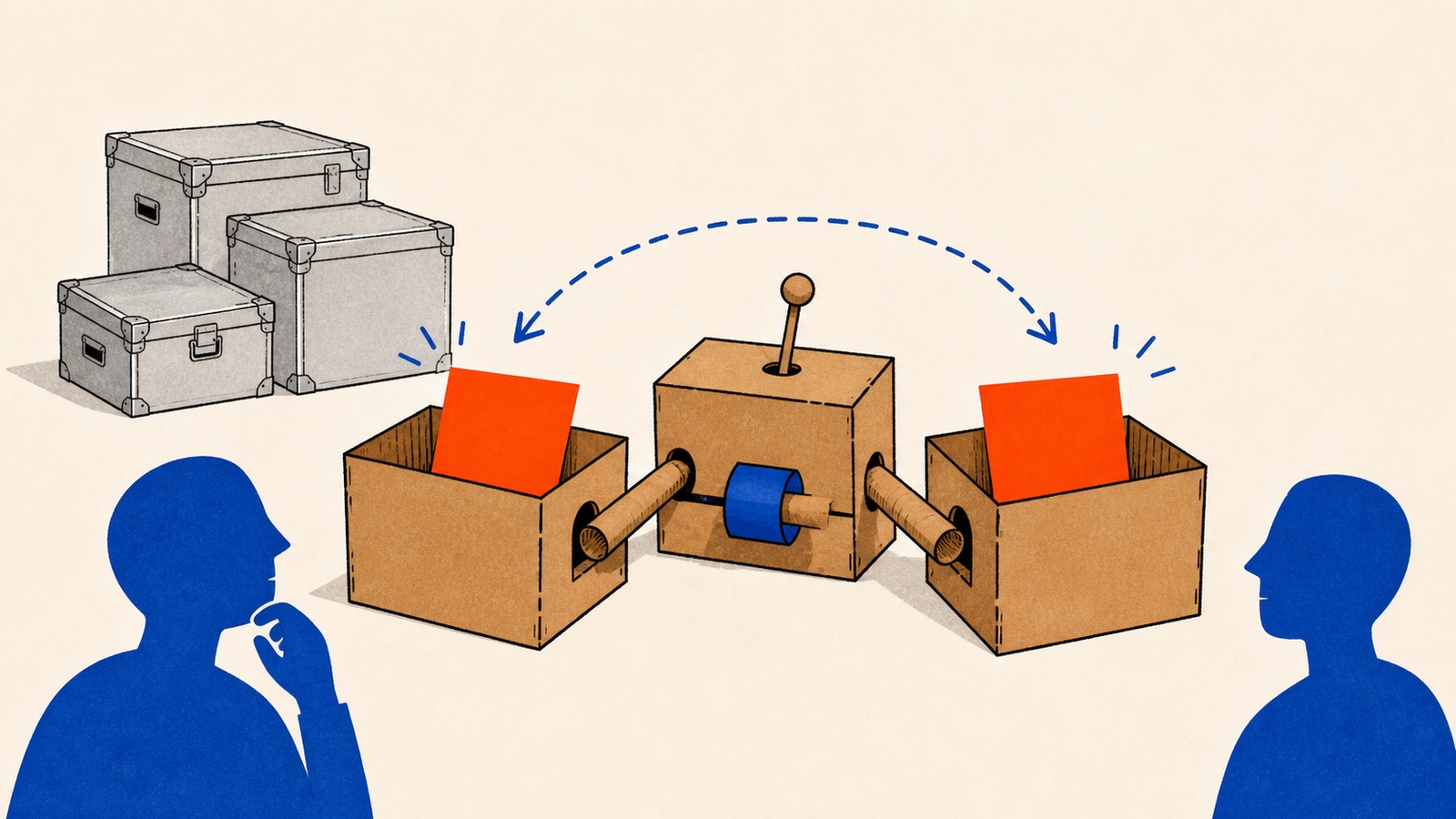
Most founders think they need a working product before anyone will take their idea seriously. That belief is expensive, because it means months of building before a single real person has confirmed the thing is worth building at all.
Drew Houston, founder of Dropbox, faced this exact problem when he tried to pitch a cloud file-syncing service investors couldn't yet see. Building a fully functional product first would have taken months and risked no market interest at the end of it. He made a three-minute screen recording instead (files being dragged into a folder, syncing automatically across devices) and posted it. The waitlist went from 5,000 to 75,000 overnight.
The instinct to build first is understandable. A prototype can feel like a lesser, less serious version of the real thing, the kind of shortcut you take only once you've run out of time to do it properly. The book argues the opposite: a prototype done well isn't a shortcut around validation, it's the only honest way to get it before you've spent the resources a wrong guess would waste.
The prototype that outperformed the pitch deck
The Power of Prototypes uses the Dropbox video as its central case study for a reason: it demonstrates every principle the book argues for at once. The video showed core functionality, not a wish list of eventual features, just the syncing, nothing else. It was understandable by a non-technical viewer in three minutes. And it showed the product working rather than describing it, which the book calls out as the actual difference-maker: seeing a folder sync in real time convinces in a way that a slide claiming "seamless file sync" never does.
The book frames this as one instance of a broader spectrum. Low-fidelity prototypes (paper sketches, wireframes, a rough screen recording like Houston's) are for early-stage ideation, when you're still testing whether the concept resonates at all and speed matters more than polish. Medium-fidelity prototypes add real interactivity: clickable mockups that demonstrate a specific user flow well enough to catch confusion before it's expensive to fix. High-fidelity prototypes closely resemble the finished product and belong later, when you need detailed usability data or a stakeholder presentation that has to look finished.
Airbnb's founders get the same treatment in the book as a second data point: before building any booking infrastructure, they put up a basic website showing their own apartment and air mattresses, and used it to book three real guests during a design conference. That was the entire test: not whether the platform could scale, but whether a stranger would pay to sleep on an air mattress in someone's apartment. The prototype answered the only question that mattered before anything else got built.
The book's own roadmap keeps this disciplined: define what the prototype needs to prove, identify the handful of features that actually represent the idea, pick the fidelity level that matches your goal and audience, build only that, then put it in front of real people and use what you learn to decide the next version. Skipping straight to a high-fidelity build because it feels more serious usually means testing the wrong question with the most expensive possible method.
Where people go wrong
The costliest mistake is skipping functional testing because the idea feels obviously good. Juicero raised over $120 million for a Wi-Fi-connected juicing machine, and only after launch did anyone discover the juice packs could be squeezed by hand just as effectively as the $400 device. A cheap functional prototype, tested honestly, would have surfaced that before the funding round did.
The second is over-engineering the prototype itself: polishing visuals and secondary features on something meant to answer one specific question quickly. The book is direct about this: a prototype is a means to an end, not a smaller version of the end itself, and every hour spent making it prettier is an hour not spent finding out if the idea works.
The third is getting attached to the first version and treating negative feedback as something to explain away rather than incorporate, the same instinct that shows up across the Business Foundations guide whenever a founder mistakes their own conviction for evidence. The book's fix is procedural rather than emotional: define what you're testing before you build, so a bad result reads as data about the idea instead of a verdict on you personally.
Inside The Power Of Prototypes Ebook
Going deeper
- BookThe Power of Prototypes - Ebook
- ChecklistThe Power of Prototypes - Checklist
- GuideThe Power of Prototypes - Guide
- Prompt PackThe Power of Prototypes - Prompts
- ToolstackThe Power of Prototypes - Toolstack
- WorkbookThe Power of Prototypes - Workbook
The Power Of Prototypes Ebook is one of 16 bundles in The Business Foundations Pack, or take the whole pack for $29.
Related reading
Starting a business, in the order the work actually happens
The order small-business work really happens: testing the idea, building the smallest version, the website, the numbers, and stepping out of the middle.
Read more
Choosing a website builder, and the five numbers that mean it's ready
How to pick a website builder for your business, plus the five performance numbers that mean your site is ready to launch.
Read moreDo you actually need a business plan?
Four questions that decide whether your business needs a formal plan or a lighter framework, plus the deadline trick for avoiding analysis paralysis.
Read more