
The five things every loyalty program needs to actually work
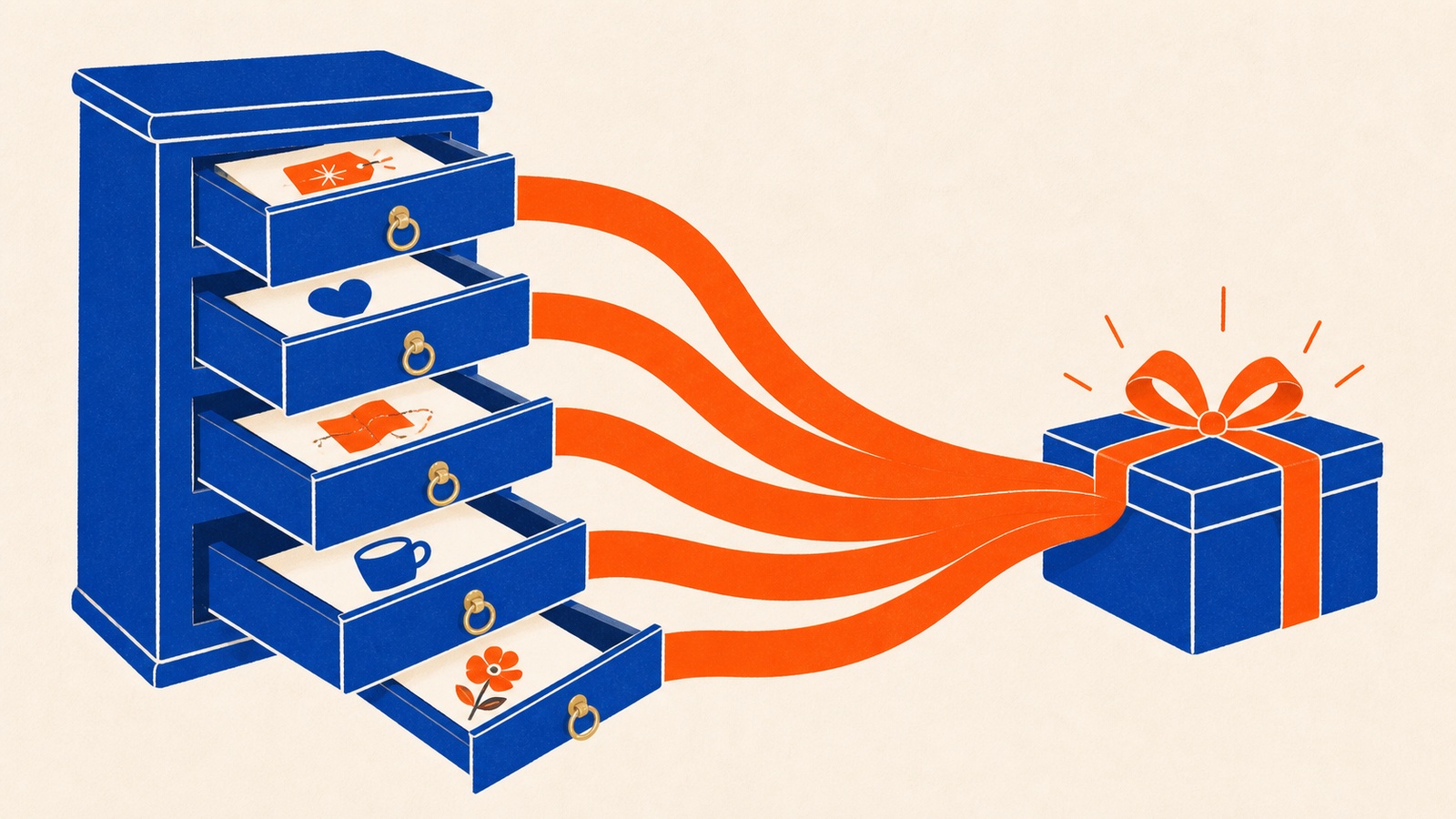
RadioShack had millions of members in its loyalty program. It went bankrupt anyway. The program collected customer data efficiently and handed back generic discounts and basic points in return: no personalization, no real benefit, nothing that made membership feel different from just shopping there.
That's the more common outcome than the success stories suggest. Research cited in this bundle's book found that 90% of companies now run a loyalty program, but only 22% of consumers say a program actually changes their purchasing decisions. Launching one is easy. Building one people notice is a different problem.
The stakes are higher than a marketing line item makes it look. The book quotes Bain & Company's finding that a 5% increase in customer retention can lift profits by 25% to 95%, because retained customers spend more over time, cost less to serve as they get familiar with your product, and refer new customers at a higher rate than any paid channel does. A loyalty program is one of the more direct levers a business has to move that number, which is exactly why it's worth building one that does more than collect email addresses.
The five components that separate working programs from RadioShack's
The book calls the gap "positive friction": a relationship sticky enough that switching feels costly, but not so much effort that it isn't worth joining. It breaks the programs that achieve this into five components, and traces each to a company that gets it right.
The first is a clear value proposition that answers "what's in it for me" without requiring explanation. Amazon Prime is the example: faster shipping, exclusive content, specific deals. No one has to think about what membership means before deciding whether they want it.
The second is ease of use. When Starbucks simplified its rewards program's earning structure in 2019 and moved redemption into its app, active membership grew 40% within a year: not because the rewards changed, but because getting to them stopped requiring effort. Complexity, the book argues, is the actual enemy of adoption, more than weak rewards ever are.
The third is attainable-yet-aspirational reward tiers. Airlines run this well: small perks like priority boarding sit within easy reach for anyone, while the biggest benefits (suite upgrades, lounge access) stay reserved for the most loyal tier. Both ends matter. A program with only entry-level rewards gives frequent customers no reason to stay engaged; one with only aspirational rewards gives new members nothing to hold onto early.
The fourth is multi-channel integration: the program working the same way whether someone's in-store, on the app, or on the website. Sephora's Beauty Insider program is the reference case: members check points, redeem rewards, and buy across every channel without the experience breaking between them.
The fifth is data-driven personalization, and Netflix is the example most people already live inside: a recommendation engine that gets more accurate the more you use it, turning a generic subscription into one that feels built around your specific habits.
None of the five works alone. A program with a clear value proposition and easy redemption but no personalization still feels generic after the first few visits. One with strong personalization but a confusing redemption process loses people before they ever benefit from it.
The book's other reference point is REI's Co-Op membership, which layers a sixth thing on top of the five components: identity. Members don't just earn a dividend. They join something that shares their values around the outdoors, through community events and environmental advocacy alongside the standard rewards. That's the ceiling these five components build toward: a program customers would miss belonging to, not just a discount they'd miss redeeming.
Where people go wrong
The RadioShack failure mode is the most common one: collecting customer data enthusiastically while forgetting the second half of the exchange, the value handed back. A program that only benefits the business collecting the data doesn't survive contact with customers who notice. We go deeper on what actually earns repeat business, before a loyalty program enters the picture at all, in the Sales & Closing Pack's guide.
A second mistake is copying Starbucks' points structure without copying the simplicity that made it work: stacking tiers, caps, and exclusions until redeeming a reward requires reading the fine print. Starbucks' 40% jump in active members followed a simplification, not an addition; most businesses trying to imitate the result add complexity instead, assuming more rules signal more value.
A third is treating personalization as a checkbox: sending "customers who bought X also bought Y" emails instead of the kind of behavioral tracking Netflix uses, which actually improves with every interaction rather than staying static from day one. A one-time segmentation exercise isn't personalization: it's a snapshot that goes stale the moment customer behavior changes, which is why the businesses getting real value from the fifth component treat it as an ongoing system rather than a launch task to check off once.
Inside Keep Them Coming Back
Going deeper
- BookKeep Them Coming Back
- ChecklistBuilding Thriving Communities
- ChecklistCustomer Data Collection and Analysis
- ChecklistLoyalty Program Launch
- ChecklistProactive Customer Service Implementation
- GuideCustomer Data Foundation Blueprint
- GuidePreventing Customer Churn Before It Happens
- GuideThe Loyalty Program Launch Playbook
- Mini-CourseRetention Formula
- Prompt PackCustomer Retention Excellence
Keep Them Coming Back is one of 14 bundles in The Sales & Closing Pack, or take the whole pack for $29.
Related reading
Selling for people who never wanted to be in sales: the complete guide
How selling actually works for freelancers and consultants: nerve, offer, proof, the conversation, pipeline and retention, in dependency order.
Read more
The follow-up schedule for people who hate following up
A day-by-day follow-up sequence for people who find "just checking in" emails as uncomfortable to send as sales pitches.
Read more
The PAUSE method for when a negotiation turns tense
A five-step framework for the moment a negotiation turns defensive, with a worked example from a procurement director.
Read more