
Your first hour in an online crisis
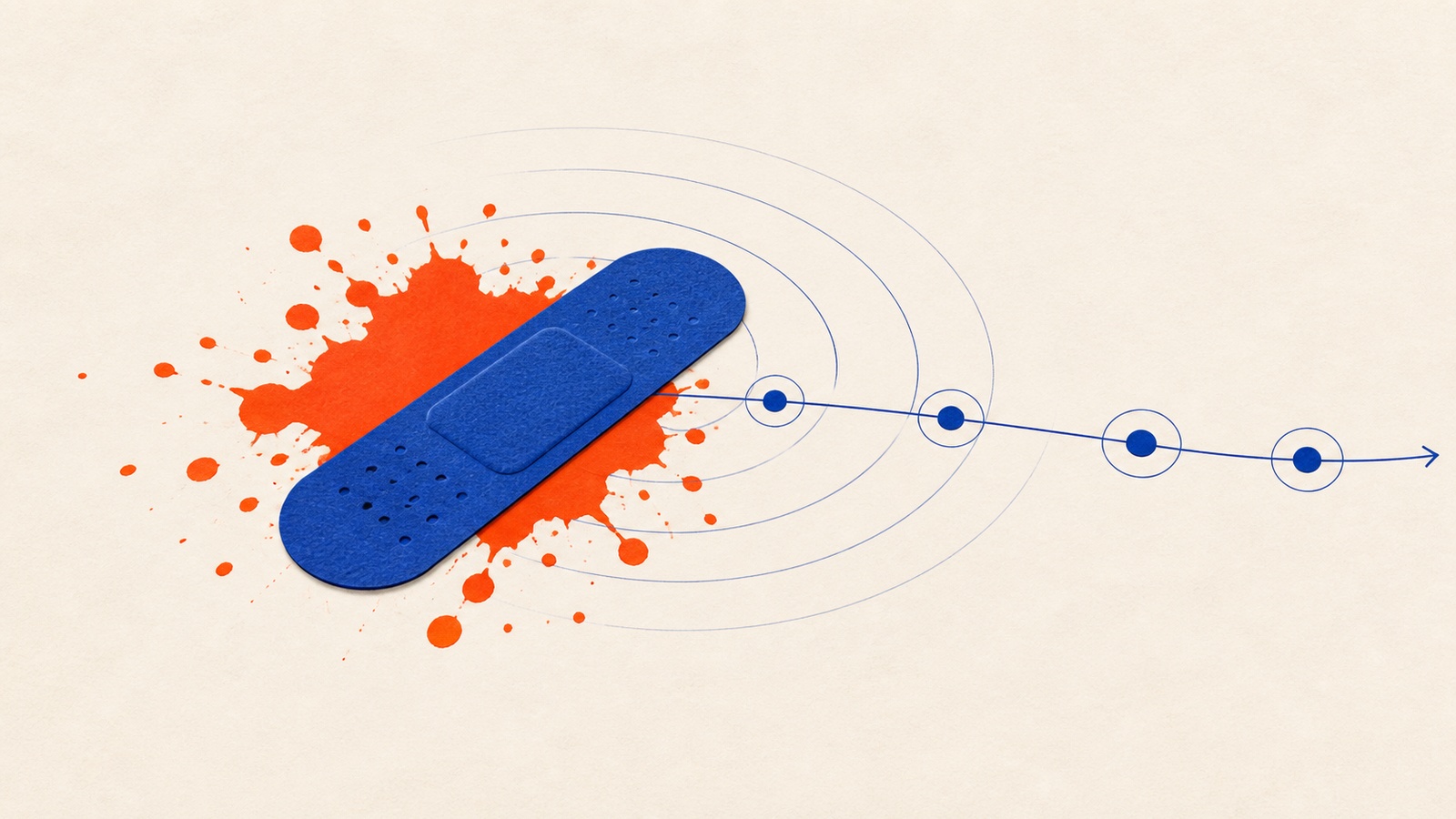
A small business doesn't get a bad week in private the way a large one does. One unhappy customer with a phone and a following can turn a shipping delay into the only thing anyone searching your name finds for a month, and unlike a company with decades of goodwill sitting in reserve, you don't have much to draw down while you figure out what to say.
Most founders discover this at the worst possible moment: mid-crisis, refreshing a notifications tab, with three drafts open and none of them sent. It doesn't help that reviews are already doing most of the deciding before a crisis ever hits: a 2023 BrightLocal survey the book cites found 98% of consumers read online reviews for local businesses, and 77% do it regularly rather than occasionally.
Build Positive Digital Presence Ebook treats that first hour as the entire ballgame, and gives it a shape instead of a scramble.
The golden hour, and the sentence that buys you time
The book's framing is specific: a crisis follows a predictable pattern (trigger, amplification, stakeholder reaction, your response, recovery), and the response stage is decided almost entirely by what happens in the first sixty minutes.
- Acknowledge the issue quickly, in a statement that shows you're aware and taking it seriously.
- Gather the available facts: what happened, who's involved, what the likely impact is.
- Convene whoever on your team actually decides what gets said.
- Take control of the narrative by becoming the primary source of information about your own situation, before someone else fills that role for you.
- Choose the right channel and write a message that states the situation without speculating or assigning blame.
The book supplies a holding statement built to be adapted rather than written from scratch under pressure: "We're aware of the issues surrounding brief description of the crisis. We take this matter very seriously and are actively investigating. We'll provide more information as soon as it's available. Thank you for your patience and understanding." It buys you the one thing panic takes away: time to gather facts before you commit to a story.
The book's own contrast makes the stakes concrete. When Airbnb faced discrimination allegations, it responded fast and comprehensively, including policy changes and a public campaign, and came out with its values reinforced rather than damaged. When United Airlines faced its passenger-removal incident, the response was slow and inconsistent, and initially read as blaming the passenger: the reputational damage that followed was measured in stock price, not just sentiment.
The golden hour buys the opening; the book is just as specific about what has to follow it. Once the first statement is out, provide regular updates even when there's nothing new to report: silence between updates reads the same as silence at the start. Be honest about what you don't yet know rather than filling the gap with a guess, acknowledge the impact on the people affected, and write every update in plain language instead of the hedged, legalistic phrasing a nervous team tends to default to under pressure.
Where people go wrong
The most common mistake is going quiet and hoping it passes. Online, silence doesn't read as caution: it reads as either absence or guilt, and the gap fills with whoever is willing to talk, which is rarely you.
The second is speculating before the facts are in. An early statement that guesses at a cause, or that quietly shifts blame toward a customer, is almost impossible to walk back cleanly later, even once the real facts contradict it.
The third is having no plan at all until the moment it's needed: no named crisis contact, no pre-written template, nobody who knows they're the one who decides what gets posted. The book's related advice is to catch problems earlier than the golden hour altogether: track brand mentions, watch for early sentiment shifts on review platforms and social comments, and give employees a clear channel for flagging a problem before it reaches a customer's public feed. A crisis plan drafted in a calm week is worth more than the best-written statement drafted in a panicked one.
A digital presence built on genuine engagement and a clear voice is covered at the layer below this in the full brand-building guide; a crisis response only works if that foundation is already in place before it's tested.
Inside Build Positive Digital Presence Ebook
Going deeper
- BookBuild Positive Digital Presence - Ebook
- ChecklistBuild Positive Digital Presence - Checklist
- GuideBuild Positive Digital Presence - Guide
- Prompt PackBuild Positive Digital Presence - Prompts
- ToolstackBuild Positive Digital Presence - Toolstack
- WorkbookBuild Positive Digital Presence - Workbook
Build Positive Digital Presence Ebook is one of 11 bundles in The Brand & Story Pack, or take the whole pack for $29.
Related reading

Brand building when nobody has heard of you: the complete guide
Positioning, story, voice, visual identity and reputation, in the order they actually depend on each other, and what to do first with no budget.
Read more
A brand is a system, not a logo
A one-sentence positioning template and a three-step process for finding what actually separates you from competitors, worked through with a real example.
Read more
Brand evolution without losing the audience you already have
A nine-step framework for changing your content or niche without the audience-loss creators fear, built around what stays fixed and what's allowed to move.
Read more