
SMS segmentation that earned back its opt-outs
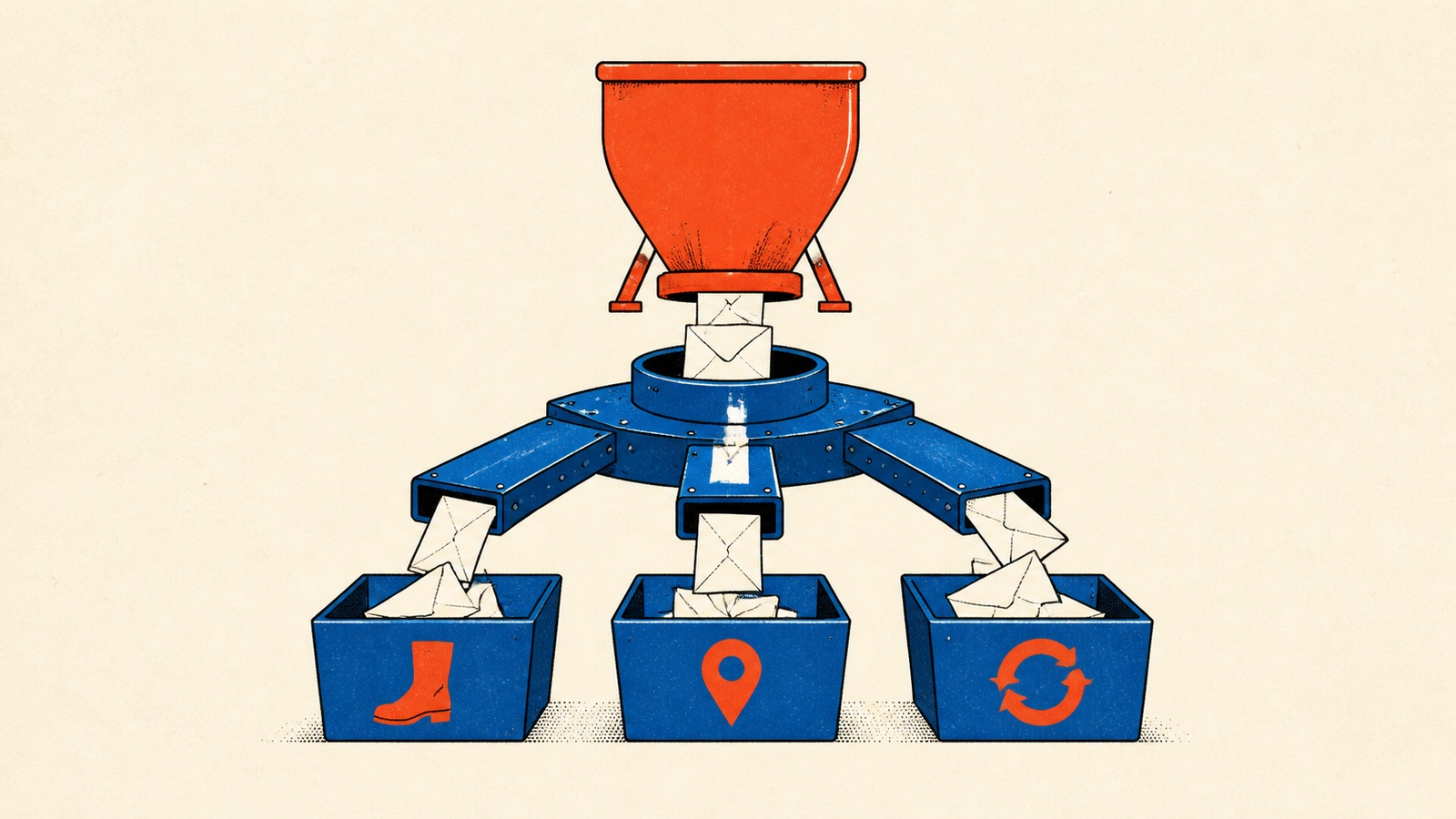
Text messages get opened. That part of the SMS pitch is genuinely true: open rates sit around 98% against email's roughly 20%, and most texts get read within minutes of landing. What that pitch usually skips is what happens after the open: a generic blast to an unsegmented list burns through that attention fast, and the opt-outs start climbing right behind it, undoing the exact advantage the channel was supposed to offer.
The channel's advantage (it interrupts) is also its cost. Every text that isn't relevant to the person receiving it spends down goodwill that's expensive to rebuild once someone's decided your texts aren't worth the interruption. Unlike an ignored email, an irrelevant text registers immediately, which means the cost of getting it wrong shows up faster too.
The book's own data backs this up from the other direction: personalized SMS messages saw a 30% higher conversion rate than generic ones in its 2024 figures. That's not a small edge for changing one field in a template. It's evidence that the format's biggest weakness (no room for context in 160 characters) makes relevance do more work per message than it would in a longer email, since there's no paragraph available to explain why the offer applies.
What one segmented retailer did differently
Power of SMS Marketing documents a mid-sized outdoor gear retailer that rebuilt its SMS strategy around segments rather than a single list. They split subscribers by purchase history, geographic location, customer lifecycle stage, and engagement with past campaigns, then built distinct message tracks for each: a welcome series for new customers, early access to new products for regular buyers, "we miss you" offers specifically for customers showing signs of churn, and location-specific promotions for people near a physical store.
The results, tracked over the same period against the retailer's previous unsegmented approach:
| Metric | Change |
|---|---|
| Click-through rate | +42% |
| Conversion rate | +28% |
| Opt-out rate | −15% |
| Revenue from SMS | +37% |
The opt-out drop is the number worth sitting with. Segmentation didn't just make the messages perform better: it made people less likely to leave the list entirely, because the texts they received stopped feeling like the wrong message aimed at the wrong person. That's a durable gain in a way the click-through and conversion numbers aren't: a subscriber who didn't opt out is still reachable next month.
The book pairs segmentation with a personalization layer that goes beyond a name field:
| Technique | Example |
|---|---|
| Use names | "Hi Alex," instead of "Dear Customer" |
| Reference past purchases | "Loved your last purchase? Here's something similar" |
| Location-based offers | "Visiting New York? Stop by our Broadway store" |
| Behavioral triggers | "We noticed you left items in your cart. Here's 10% off" |
| Special dates | "Happy birthday, Lisa. Enjoy 20% off as our gift" |
None of these require guessing. Each one is built from data the retailer already had (purchase history, location, cart activity, signup date) and routed to the segment it's relevant to. That's the actual mechanism behind the numbers above: not cleverer copy, but the same offer reaching only the people it applies to, which is a lower bar than it sounds and most businesses still miss it.
Where people go wrong
The most common mistake is treating SMS like a smaller version of an email blast: one message, one send, to the whole list. The channel's higher open rate makes this feel like it's working, since more people see the message than would see an equivalent email. But a high open rate on an irrelevant text just means more people are annoyed by it faster, because there's no delete-without-reading option the way there is with an inbox: a buzzing phone gets read.
The second is sending at email frequency. A weekly or twice-weekly cadence that would be unremarkable in an inbox reads as intrusive on a phone, and the opt-out data reflects that difference directly: a business a subscriber genuinely likes can still lose them to fatigue if the texts arrive too often to feel special.
The third is skipping the segmentation groundwork because SMS lists tend to be smaller than email lists, on the assumption that a small list doesn't need splitting. The retailer's case above argues the opposite: segmentation mattered more on SMS precisely because each message costs more attention per send, and a smaller list makes the mismatch between message and recipient more obvious, not less. What the compliance side of this looks like, consent and opt-out requirements included, is covered in the Email & SMS guide.
Inside Power Of SMS Marketing Ebook
Going deeper
- BookPower of SMS Marketing - Ebook
- ChecklistPower of SMS Marketing - Checklist
- GuidePower of SMS Marketing - Guide
- Prompt PackPower of SMS Marketing - Prompts
- ToolstackPower of SMS Marketing - Toolstack
- WorkbookPower of SMS Marketing - Workbook
Power Of SMS Marketing Ebook is one of 6 bundles in The Email & SMS Pack, or take the whole pack for $29.
Related reading
Email and SMS marketing for a small list: the complete guide
How email and SMS work for a small list: permission, segmentation, sequence, channel choice, and the numbers actually worth tracking.
Read more
Cold email follow-ups that get replies
A four-message follow-up sequence for cold email, plus the break-up email that gets a reply even from prospects who went quiet.
Read more
Email segmentation that goes past a first name
A scoring system that segments an email list by behavior instead of demographics, plus the three mistakes that undo it.
Read more