
The star rating that converts best
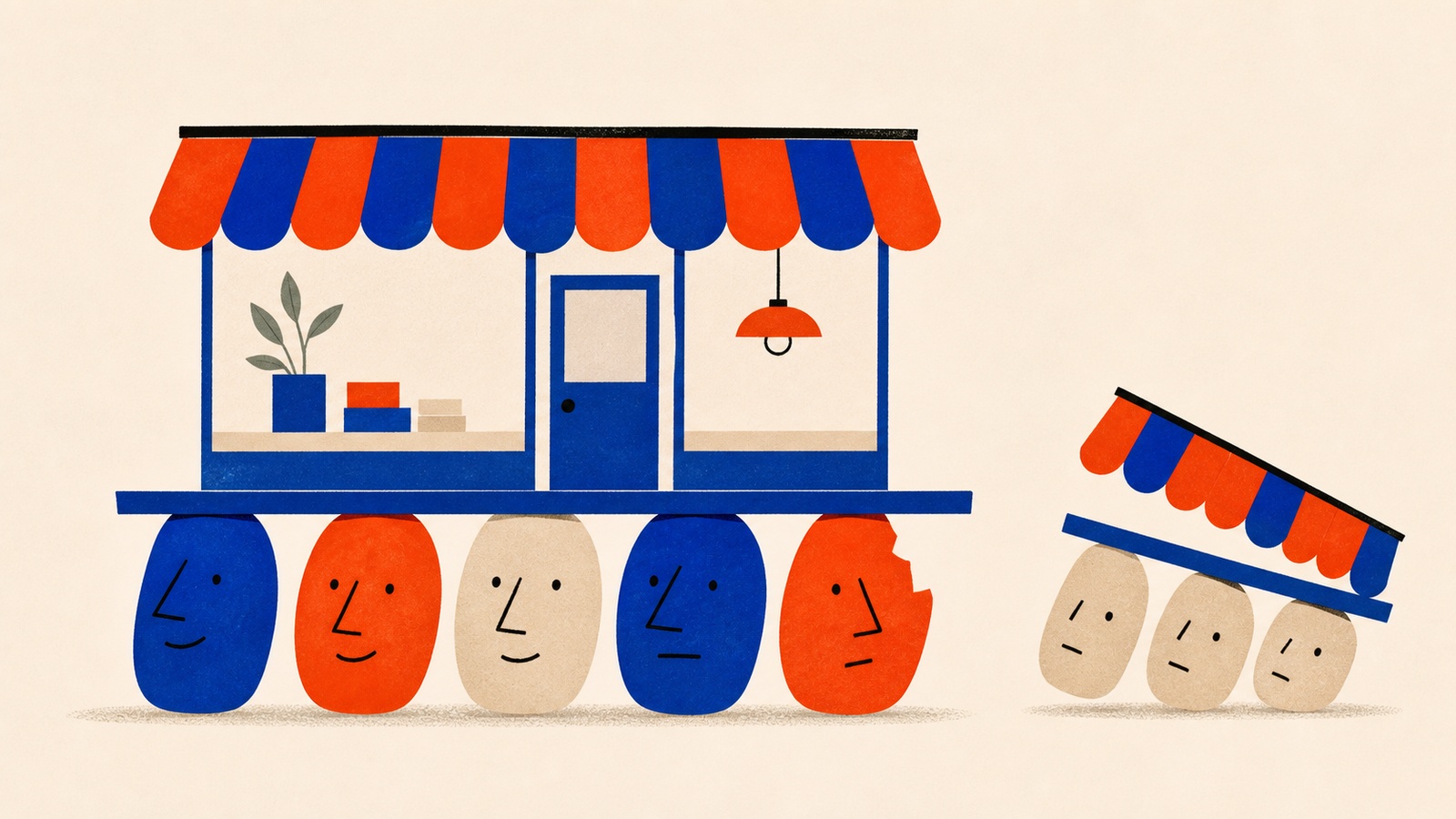
A perfect five-star product page sounds like the goal. It isn't. Shoppers who've been burned before read a spotless rating as a sign something's been hidden, not a sign the product is flawless.
The book in this kit, Growth with Social Proof, opens with that exact tension: a visitor's guard is up by default, and product copy alone rarely lowers it. What lowers it is evidence that other people already made the purchase and were fine.
Six kinds of proof, and the rating number nobody expects
The book sorts social proof into six categories, ordered roughly by how much effort each takes to build.
- Customer reviews and ratings: the baseline. Verified reviews measurably improve purchase odds; Northwestern's Spiegel Research Center found a 15% lift.
- User-generated content: customer photos and video showing the product in ordinary use, not a studio shot.
- Expert authority: testimonials, media mentions, and endorsements that borrow someone else's credibility, strongest for B2B and higher-priced items.
- Social media engagement: likes, shares, and comments that show activity happening right now, not just a static quote from months ago.
- Popularity indicators: bestseller badges, "5 people bought this in the last hour," the plain bandwagon effect.
- Influencer endorsements: aspirational trust, most effective when the endorsement looks like genuine use rather than a paid placement.
The book's advice is to pick the one pillar that best matches your product and budget, execute it well, and add the others later: spreading effort across all six from day one tends to leave every pillar half-built.
Then the specific number: Spiegel Research Center's data shows purchase likelihood peaks for products rated between 4.2 and 4.5 stars, and actually drops for a perfect 5.0. The book's read is straightforward: a spotless rating reads as curated or fake, while a handful of four-star reviews mixed into mostly five-star ones reads as real. Shoppers read the four-star reviews specifically to understand the minor complaint, then decide whether it matters to them. A 4.3 average with volume behind it converts better than a 5.0 with three reviews.
None of this means chasing bad reviews on purpose. It means resisting the urge to delete every mildly critical one, and being honest that a handful of them, answered well in public, does more for a skeptical shopper than a suspiciously spotless page ever will.
Getting the reviews at all comes down to timing more than persuasion. The book's two-step sequence: send a "hope you liked it" check-in within two days of delivery, no ask attached, then follow with the actual review request 24 to 72 hours later, short and specific ("what results have you seen since using this?" beats "how did we do?"). Asking too soon catches someone before they've formed an opinion; asking too late means they've already moved on.
Where the reviews get displayed matters almost as much as how they're collected. The book recommends placing star ratings on the homepage, not just individual product pages, so a visitor sees social proof before they've picked anything to look at. It also recommends showing the review count next to the rating: "4.5 stars from 237 customers" builds more trust than "4.5 stars" alone, because volume signals that the number wasn't cherry-picked from three lucky reviews. The same logic extends through the cart and checkout page, where a shopper's doubt is highest right before they commit.
Where people go wrong
The most damaging mistake is manufacturing proof (purchased reviews or fabricated testimonials), which the book calls out directly: customers detect it, and trust doesn't come back easily once it's gone. A second is deleting every critical review on sight, which produces exactly the suspiciously perfect rating that converts worse. A third is a single lonely review that happens to be negative, which the book notes can hurt more than having no reviews at all: sometimes the right call is to wait for volume before displaying anything. Building genuine trust signals, rather than manufactured ones, is the same discipline that runs through the Sales & Closing Pack.
Inside Growth With Social Proof
Going deeper
- AudioThe Proof Effect
- BookGrowth with Social Proof
- ChecklistThe Complete Review Collection System
- GuideThe 7-Day Review Collection System
- GuideThe Visual Social Proof Revolution
- Listicle13 Profit-Killing Errors Every Online Store Must Avoid
- Listicle7 Psychological Triggers That Turn Browsers Into Buyers
- Mini-CourseBoost Your Conversions with Social Proof
- Prompt PackSocial Proof for E-Commerce Success
Growth With Social Proof is one of 14 bundles in The Sales & Closing Pack, or take the whole pack for $29.
Related reading
Selling for people who never wanted to be in sales: the complete guide
How selling actually works for freelancers and consultants: nerve, offer, proof, the conversation, pipeline and retention, in dependency order.
Read more
What happens in the first three seconds
The trust triangle a visitor checks before reading a word, and the 60-30-10 color rule behind a real 6.3% conversion lift.
Read more
What to say when a sales call stalls
A cold-calling framework for opening lines, objection responses, and reading when a prospect is ready to close.
Read more