
Why 847 followers can out-earn 47,000
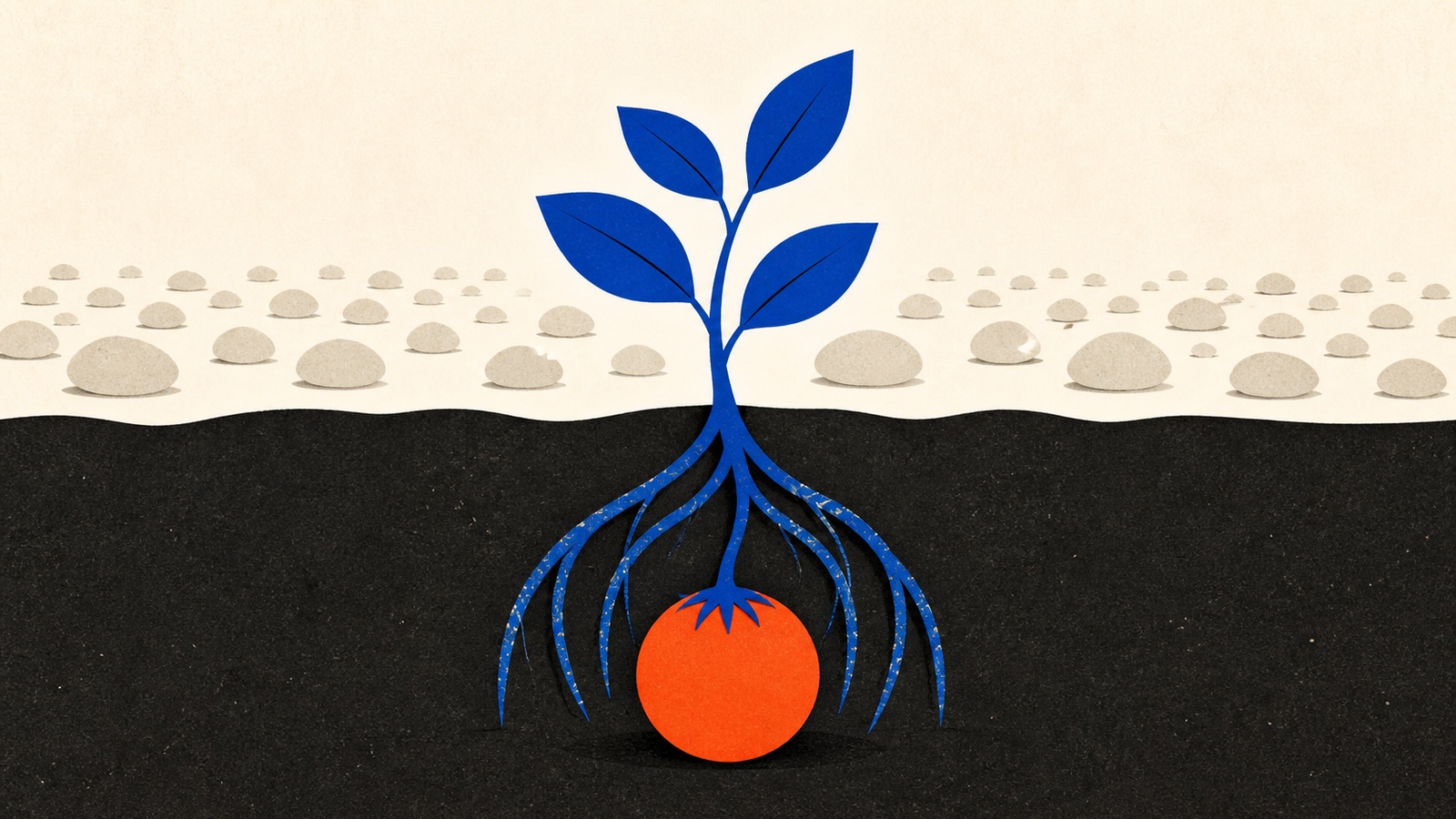
Margot has 847 Instagram followers and makes about $4,200 a month selling digital templates and mini-courses. A few streets over, Mark has spent three years building 47,000 followers and struggles to clear $400 monthly from his content. Same platform, wildly different outcomes, and it isn't luck.
Most creator advice treats the gap as an audience-size problem: get bigger, and revenue follows. The book in this bundle runs the actual math and finds the opposite: 1% of 1,000 genuinely engaged followers gives you ten real buyers. 0.1% of 100,000 disengaged ones gives you a hundred people who look and don't purchase. The smaller number converts; the larger one just watches.
None of this means small is automatically better. It means the audience-size metric almost everyone optimizes for predicts very little about revenue, and a different, more specific set of signals does.
Finding out who actually pays
Most creators treat an audience as one undifferentiated block and read demand off aggregate numbers: total likes, total followers. The book's argument is that only a small slice of any audience, usually 1 to 5%, will ever buy anything, and that slice behaves differently long before it buys, if you know where to look.
Instagram Insights and TikTok Analytics both expose what the book calls the engagement cascade: someone likes a post, then comments, then visits the profile, then clicks the link in it. Most followers stop after the like. The ones who complete the whole cascade are showing buying behavior, not just attention. Saves and shares matter more than either, because both require extra effort: a save means "I plan to come back to this," a share means "I'll put my name next to this."
The book names five concrete signals worth tracking, ranked by how strongly they predict an eventual purchase: reply rates to direct messages (true fans respond when you reach out personally); story engagement (regular interaction with polls, questions and behind-the-scenes content); email open rates above 40%, against a typical business average closer to 25%; comments that ask follow-up questions rather than leaving a generic reaction; and that save-and-share ratio. None of these is a vanity metric: each one requires the follower to do something a passive scroller wouldn't bother doing.
Once a handful of people show these signals, the book has you build an actual profile for each one, not a demographic persona: their username, the specific problem that keeps coming up in their comments and messages, what they've already tried to solve it, what success would look like for them, and how often and in what way they engage. Five people documented this precisely, the book argues, beat five hundred casual followers you know nothing about, because you can build an offer for five real people. You can't build one for an aggregate.
That precision is also what makes the eventual offer easy to price and describe. When one follower's actual complaint is that Sunday batch cooking falls apart because of kid interruptions, that's not a guess at a course topic: it's already the first line of the sales page.
Where people go wrong
The first failure mode is chasing follower count as a proxy for revenue readiness, waiting for a 10,000-follower threshold that doesn't actually predict anything about whether an audience will pay. The book puts the real conversion sweet spot much lower, between 500 and 5,000 followers: big enough to have real diversity of problems, small enough that people still feel personally known.
The second is reading likes as demand signals, when likes correlate weakly with willingness to buy. A follower can love a creator's motivational posts and never touch the goal-setting course sitting one link away, because a like costs nothing and a purchase costs something. The engagement-cascade signals above exist precisely because likes alone can't separate a buyer from a scroller.
The third is guessing at what an audience wants and building the full product before checking, instead of asking the five to ten people already showing true-fan signals and taking payment upfront: even three to five pre-sales, the book argues, confirms real demand in a way no amount of positive feedback does. A related pricing mistake: setting a price that feels comfortable rather than one that reflects the value delivered. If the instinct says $47, the book's advice is to test $67 instead and let the offer's specificity carry the difference.
The full content marketing guide covers where offer-building fits against the rest of a one-person content practice: it comes after the audience work, never before it.
Inside Monetize Your Micro Audience
Going deeper
- AudioThe Micro-Offer Method
- BookMonetize Your Micro-Audience
- ChecklistPre-Launch Product Validation
- GuideThe 7-Day Micro-Offer Creation Process
- Listicle13 Proven Ways to Monetize a Small Audience
- Listicle21 Psychological Triggers That Help You Monetize a Micro-Audience
- Mini-CourseTurn Small Followings Into Steady Income
- Prompt PackMicro-Audience Monetization
Monetize Your Micro Audience is one of 13 bundles in The Content & Creator Pack, or take the whole pack for $29.
Related reading
Content marketing for a team of one: the complete guide
How one person builds a content practice that lasts: message, production, distribution, search, proof and revenue, in the order they depend on each other.
Read moreWhy almost every blog post gets zero traffic
Length doesn't make a post rank. Validation does. The keyword scorecard and the domain-authority rule that decide before you write a word.
Read more
Why fewer platforms grow faster than more
A wellness brand cut six social platforms to two and got 300% more leads. The four-pillar framework behind why concentration beats coverage.
Read more