
YouTube ads: what happens in the first three seconds
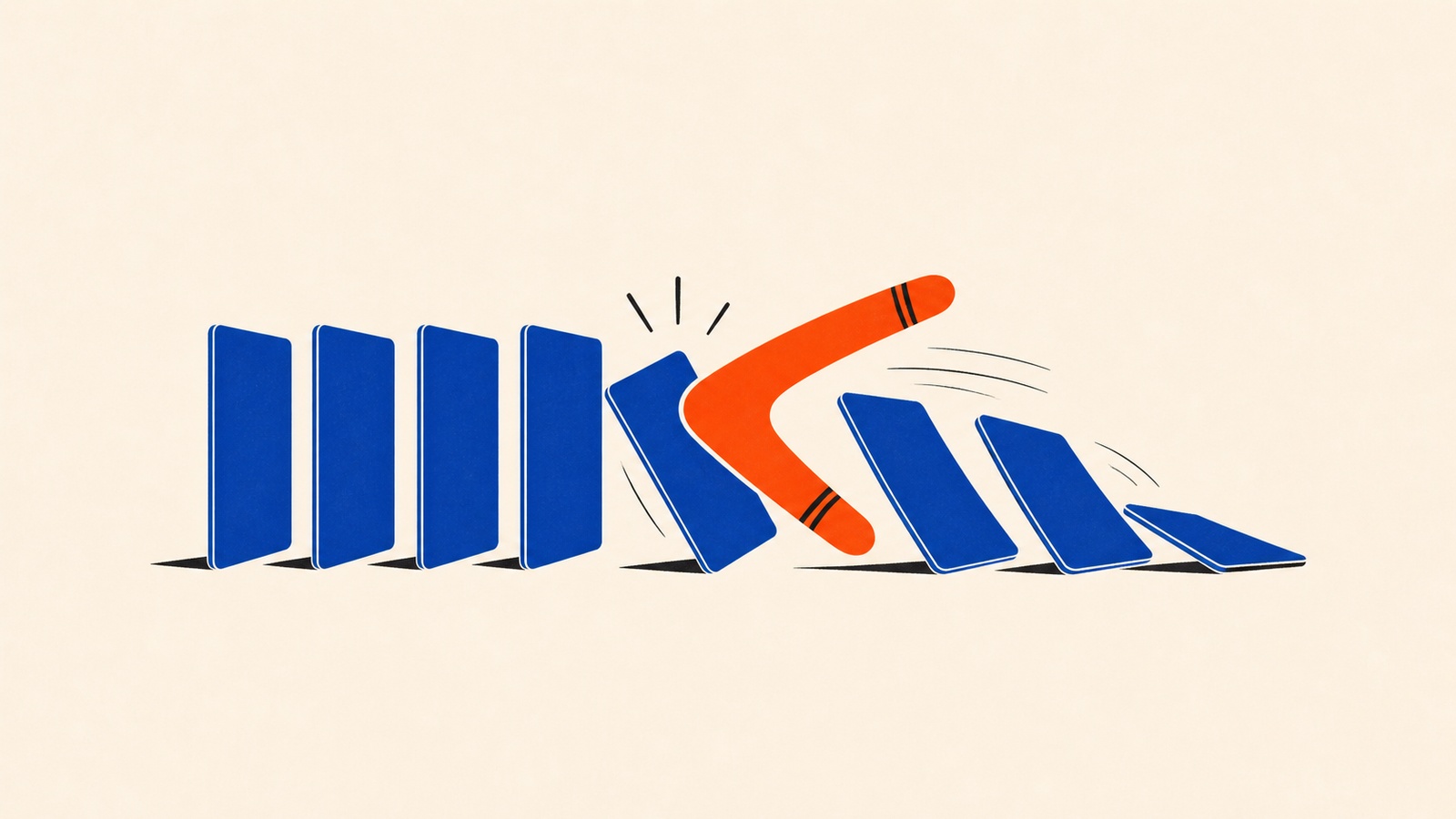
Every YouTube ad campaign eventually runs into the same wall: a "Skip Ad" button five seconds away, and a viewer whose thumb is already moving toward it. Chasing production value doesn't fix that wall. Understanding it does.
Viewers make their stay-or-skip decision within two to three seconds of an ad starting, not five, whatever the skip timer says. Everything the ad does before that decision is made either earns the rest of the viewer's attention or gets skipped along with it.
Most YouTube ad advice glosses over this by talking about "storytelling" and "brand voice" as if the opening frame is just the first beat of a longer narrative. It isn't. It's a separate problem with its own rules, and it has to be solved before any of the storytelling advice matters, because a story nobody watches past frame two never gets told.
The opening that survives the skip button
The book in this kit, How to Scale with YouTube Ads, builds its content strategy around what it calls the pattern interrupt: an opening image or moment specific enough to break the scroll-past reflex, tied directly to the problem your product solves.
Its worked example is for a productivity tool. Instead of opening on a logo or a calm establishing shot, the ad opens on a close-up of someone frantically juggling multiple phones and laptops, then zooms out to reveal an absurdly chaotic workspace. The visual does two jobs in under two seconds: it's surprising enough to interrupt the scroll, and specific enough to the product's actual problem that anyone drowning in tabs recognizes themselves in it right away. That's the difference between a pattern interrupt and just being strange for its own sake: the surprise has to point at the thing you're selling.
The book is specific about what should follow: match the audio-visual arc to the emotional arc of the pitch. Music with tension-building beats during the problem section, shifting to something more open as the ad reveals the solution. Voice-over that supports what's on screen rather than repeating it. And because most YouTube views happen with the sound off, the visual story has to carry the message on its own: text on screen, not just narration, has to do real work.
The ad-format decision matters here too, because a six-second bumper ad and a two-minute skippable in-stream ad need completely different openings. The book breaks the format options down by what each one is for:
- Skippable in-stream ads suit longer, story-driven content, built to hook viewers in the first five seconds.
- Non-skippable in-stream ads deliver a complete message but demand tighter, more engaging content throughout, since there's no exit.
- Bumper ads are six-second, non-skippable spots built for a single brand impression, not a pitch.
- Outstream ads run on partner sites and apps, muted by default, so they live or die on the visual alone.
- In-feed ads promote a video from inside search results, the homepage, or the "watch next" panel.
- Masthead ads buy the top of the YouTube homepage for maximum, brief visibility.
Picking the wrong format for the message is a common way to waste a good opening: a six-second bumper trying to tell a two-act story runs out of time before the pattern interrupt has paid off.
Where people go wrong
The clearest mistake is treating the ad like a television commercial that happens to run on YouTube: opening with a logo, a tagline, or scene-setting, and saving the actual hook for ten or fifteen seconds in. By then the decision has already been made. The book's own guidance on this is blunt: lead with the interrupt, not the introduction.
A second mistake is designing for sound-on viewing when most mobile views happen muted. An ad that depends on a voice-over to establish the problem loses most of its audience before the first sentence lands.
A third is saving the call-to-action for the final frame instead of placing several smaller, less pushy prompts throughout the video: a small "Learn More" button during a product demo, for instance, rather than one hard ask at the very end.
A fourth mistake is running one version of the opening and calling it done. The pattern-interrupt approach lives or dies on the specific image chosen, and the same underlying problem can be dramatized a dozen different ways. Only testing tells you which one actually stops the thumb. Scaling any of this past a single ad into a repeatable system is what the paid ads and landing pages guide covers in full.
Inside How To Scale With YouTube Ads
Going deeper
- BookHow to Scale with YouTube Ads
- ChecklistHow to Setup YouTube Campaign
- GuideStrategic YouTube Campaign Creator
- GuideThe 5-Second Formula
- Mini-CourseThe 6-Day YouTube Accelerator
- Prompt PackYouTube Ads Optimization
How To Scale With YouTube Ads is one of 13 bundles in The Paid Ads & Landing Pages Pack, or take the whole pack for $29.
Related reading
Paid ads and landing pages: the complete guide for small budgets
How to run paid ads on a small budget: pick one platform, write the ad, fix the landing page, and read the numbers before you spend more.
Read more
A/B testing for ads: deciding what to test first
A scoring method for ranking which ad element to test first, so testing time goes to headlines and targeting instead of button colors.
Read more
Ad copy that gets read past the headline
The AIDA structure and a headline test for writing ad copy that earns a click instead of getting scrolled past on the way to something else.
Read more