
The 12-point audit that says if your business is ready to franchise
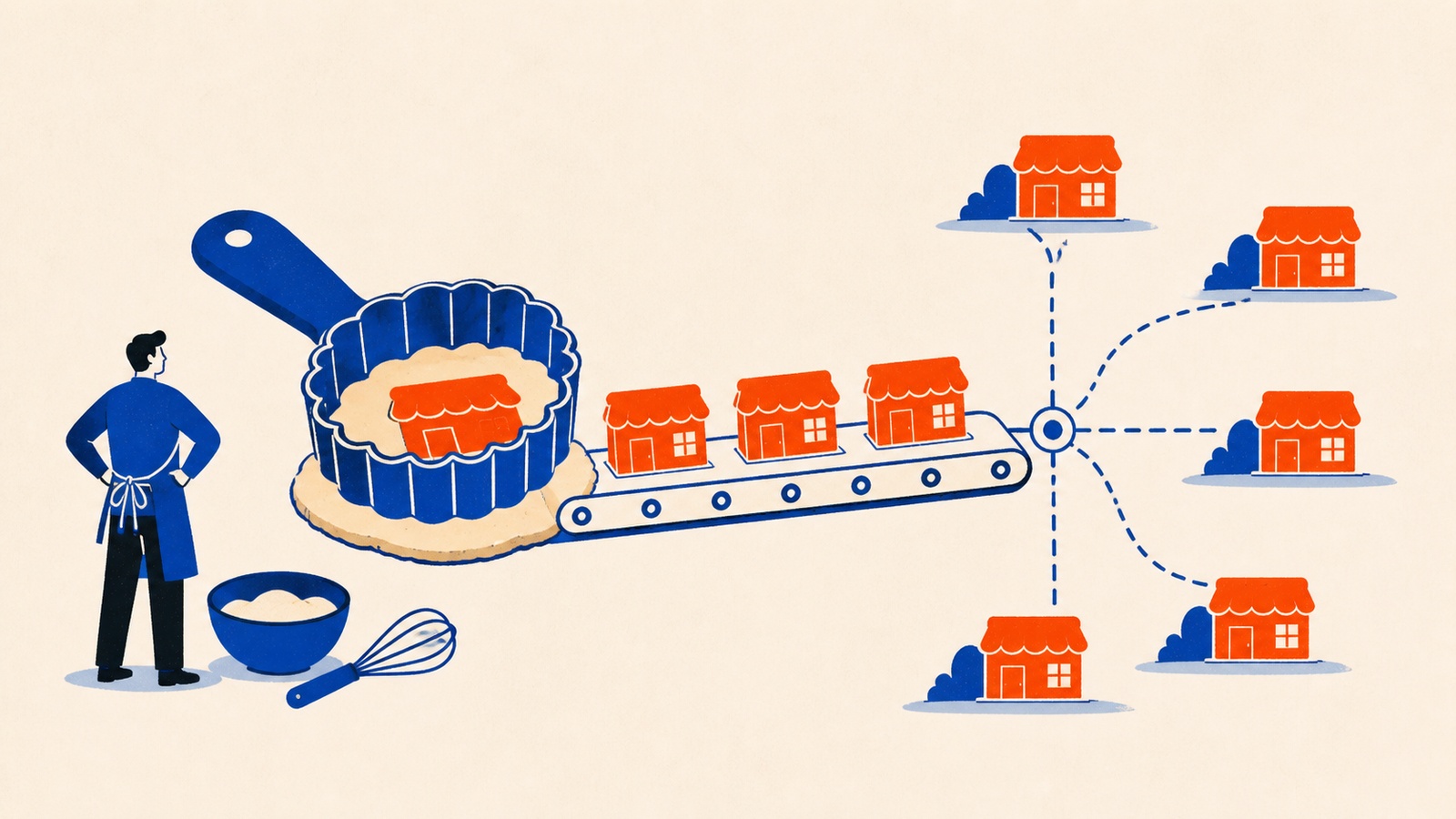
Franchising sounds like a reward for building something that works: find people willing to pay for your proven formula, and collect royalties while they run the locations. Most businesses that try it discover the formula was never written down anywhere except the owner's head, which is a problem no amount of enthusiasm from franchisees fixes.
The book's own framing borrows from McDonald's, and it's worth being precise about which part of that story generalizes. Ray Kroc didn't build the best burger. He built the same burger, made the same way, by different people, in different cities, without him standing in the kitchen. That's the whole test. A great product run by one irreplaceable person isn't a franchise yet: it's a business that happens to be good.
How to Franchise Your Business is direct about the odds: citing U.S. Census Bureau data, it notes that nearly 90% of businesses will never become franchises, and treats that as a filtering problem rather than a discouraging one. The question isn't whether your business is good. It's whether someone who has never met you can run it to the same standard.
The 12-point audit, and the bakery that failed it first
The book's readiness audit runs through twelve questions, condensed here to the ones that do the most filtering:
- Does the business operate successfully when you're away for a full week?
- Do written procedures exist for the primary functions, or does the knowledge live only in your head?
- Can employees train new hires without your direct involvement?
- Has the business been profitable for at least two consecutive years?
- Can you explain the business model, in full, in under ten minutes?
- Does monthly revenue consistently exceed $40,000?
- Do customers travel from a 20-mile radius or further, rather than relying on one specific location?
- Could the business model work in a different type of community, not just yours?
The book's scoring is blunt: ten or more "yes" answers means strong franchise potential. Eight or nine means you're close but need work. Fewer than eight means major changes are required before franchising makes sense at all, and it flags personal-service businesses (where customers want the owner, not an employee) and location-dependent ones (success tied to being next to a highway, not to the business model) as categories that rarely pass regardless of how well they're run.
The book's worked example is Maria, who ran a bakery known for custom birthday cakes. She worked 60-hour weeks and made good money, but her franchise audit found three problems at once: customers came for Maria personally, her procedures existed only in her head, and her profits looked healthier than they were because she wasn't paying herself a fair wage for the hours she put in. Instead of franchising immediately, she spent two years hiring and training decorators, writing procedure manuals for every process, and standardizing her cake designs so any trained baker could make them to spec. She tested the result by opening a second location with a hired manager rather than herself, and when it succeeded without her daily involvement, she had her proof. Her concept now runs 23 franchise locations across five states.
Where people go wrong
The most common mistake is confusing "this business makes money" with "this business is franchisable." A profitable business built entirely around the owner's personal reputation or a single irreplaceable location can be a great business and still fail the replicability test completely: the two questions aren't related the way people assume.
A second mistake is treating the legal foundation as paperwork to handle later. The book cites a real case where a founder's Franchise Disclosure Document was rejected in three states, costing six months and $40,000 before he could sell a single franchise. The FTC's 14-day disclosure rule (franchisees must receive the FDD at least 14 days before signing anything or paying money) isn't a formality; violations can run up to $51,744 per incident according to the franchise-law figures the book cites.
The third is calculating "profit" without paying yourself a market-rate salary first, the way Maria's early numbers did. That inflated margin makes the business look franchise-ready when the real number, after a fair owner's wage, might not support a franchisee at all. Getting the operational systems documented before any of this matters is the same discipline covered from the systems side in the Business Foundations guide.
Inside How To Franchise Your Business
Going deeper
- AudioFrom Business to Franchise
- BookHow to Franchise Your Business
- ChecklistDeveloping Replicable Franchise Operations
- ChecklistIdeal Franchise Partner Selection
- GuideCreate Bulletproof Operating Systems
- GuideThe Franchise Readiness Audit Workbook
- Listicle12 Franchise-Killing Oversights You Can Still Avoid
- Listicle7 Hidden Traps That Sink Franchise Dreams
- Mini-CourseBecome the Next Franchise Success Story
- Prompt PackFranchise Growth System
How To Franchise Your Business is one of 16 bundles in The Business Foundations Pack, or take the whole pack for $29.
Related reading
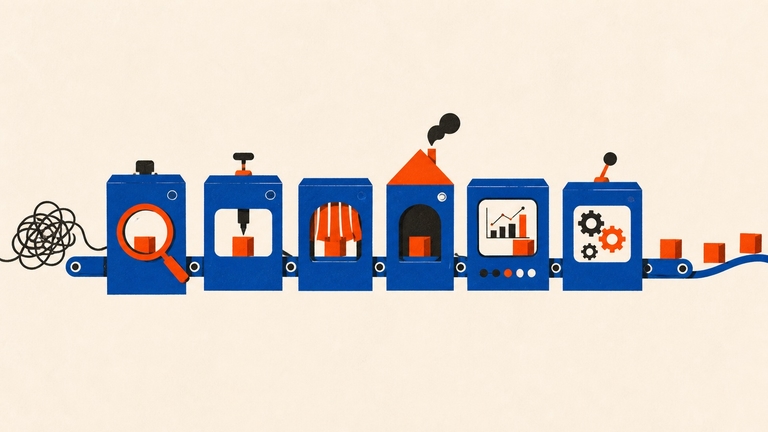
Starting a business, in the order the work actually happens
The order small-business work really happens: testing the idea, building the smallest version, the website, the numbers, and stepping out of the middle.
Read more
The 50 milliseconds that decide whether your website is trusted
Why a website works as a trust signal before it works as a sales tool, and the credibility elements that prove you are real.
Read more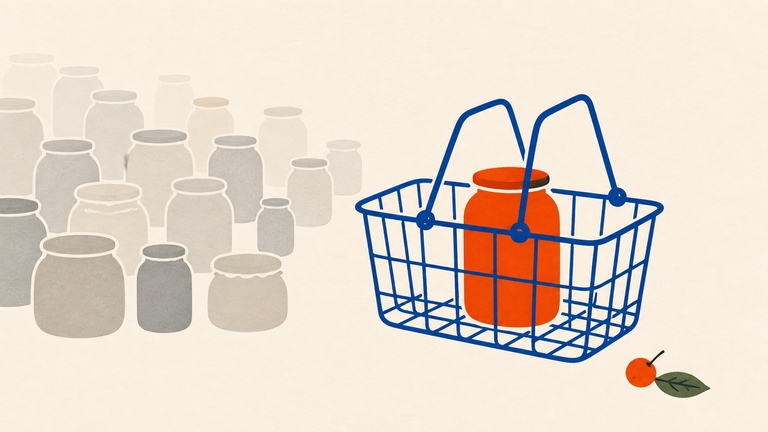
The one-line rewrite that beats "save $50"
The loss-aversion rewrite and the classic jam study behind why fewer choices and the right framing convert better than more of either.
Read more