
Recognizing manipulation before it changes your mind
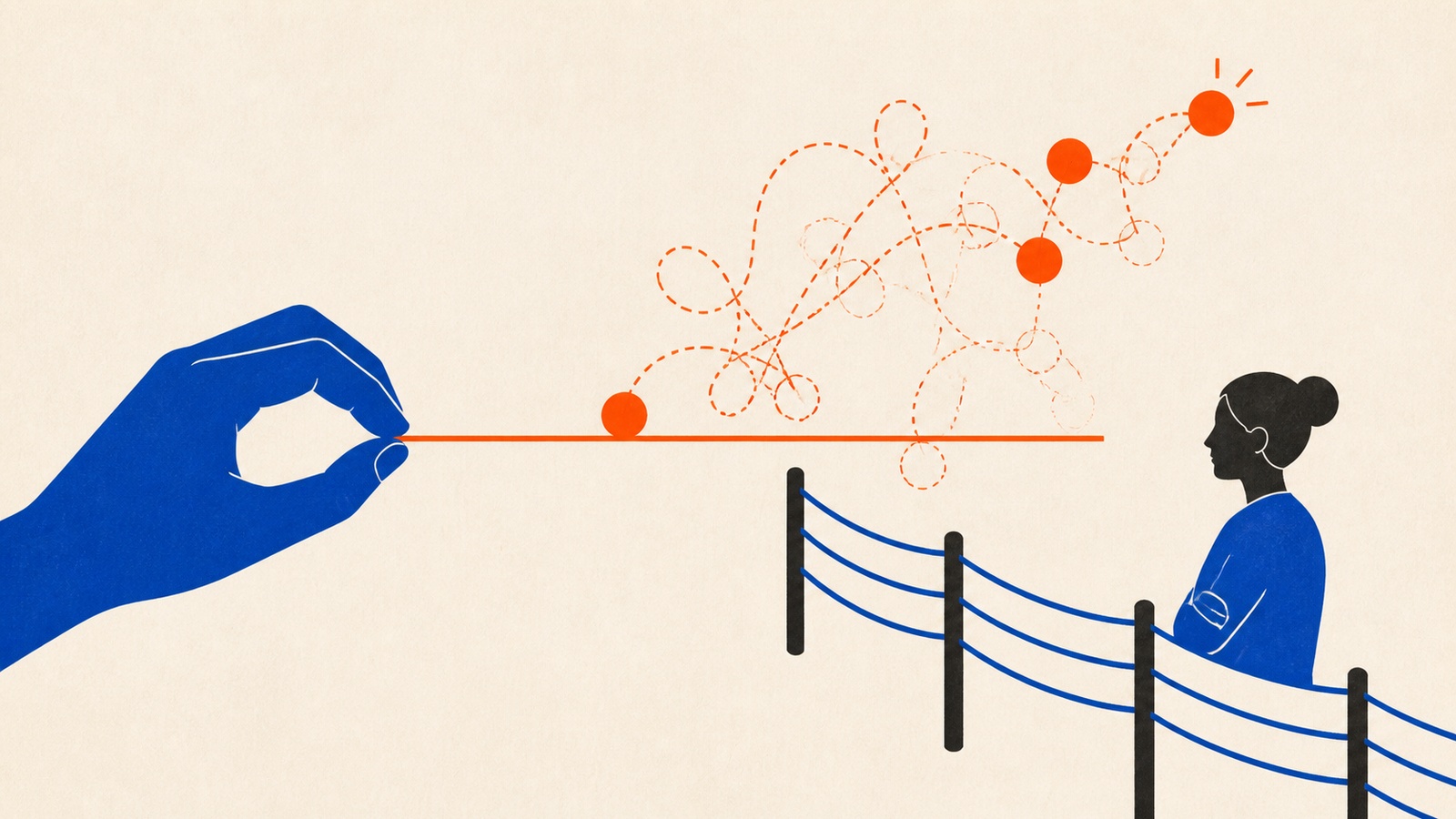
Something feels off about a conversation, but you can't say why. A colleague's request seems reasonable on paper and still leaves you uneasy. A manager insists they never said what you're certain they said. None of these moments announce themselves as manipulation. That's the whole mechanism: it works precisely because it doesn't look like anything worth naming.
This post is not about learning these tactics to use them. It's the opposite: once you can name a pattern, it loses most of its power over you, because the effect depends on you not seeing the structure underneath the behavior.
The reason it's hard to catch is that a single instance rarely justifies the discomfort you feel. One denied conversation could be a genuine mix-up. One shifted deadline could be a real business need. It's only across a pattern (the same person, the same shape of interaction, repeating) that the behavior becomes legible, and by the time most people notice the pattern, they've already started doubting themselves rather than the other person.
Naming the pattern is most of the defense
The book behind this bundle, Dark Psychology Awareness, spends most of its pages on recognition rather than theory, and the clearest example is gaslighting: manipulation aimed at your memory and judgment rather than your actions. Its sample exchange is worth reading closely: you say, "In our last meeting, you approved the budget increase for the marketing campaign." The response comes back: "I don't recall ever discussing that. Are you sure you're not confusing this with another conversation? You've seemed rather stressed lately." Denial, paired with a quiet suggestion that something is wrong with you rather than with the conversation. Said once, it's forgettable. Said across months, it erodes your confidence in your own memory, which is the point.
A second pattern the book names is what it calls moving goalposts: you hit an agreed target, and the requirement quietly changes. You finish a project to spec and hear "yes, but now we need these additional features." You meet a sales number and the metric for success shifts underneath it. The effect isn't any single instance: it's the accumulated sense that you can never actually arrive, which keeps you working harder to satisfy a standard that was never fixed.
Recognizing a tactic in the moment is one skill. Building standing defenses is another, and the book lays out five that don't depend on catching every incident as it happens. Boundary setting treats your time, availability, and decision-making process as explicit territory rather than something you improvise under pressure. Information validation means cross-referencing important claims and documenting key conversations, so a denial has something to run up against. Emotional regulation (noticing your own triggers before they overwhelm you) matters because manipulation tends to target exactly the moment your judgment is compromised by stress. Logical analysis is the habit of breaking a pressured situation into its actual components instead of reacting to the feeling of urgency. And strategic distance (stepping back from a specific interaction or relationship for a while) is sometimes the only defense that works, because not every manipulative dynamic can be neutralized through better communication.
None of this requires becoming suspicious of everyone. Most people you work with aren't doing any of this. The point of naming the pattern is narrower and more useful: when it does happen, you recognize it in real time instead of three weeks later, wondering why a specific interaction still bothers you.
Where people go wrong
The most common mistake is assuming manipulation always looks dramatic: a raised voice, an obvious lie. In professional settings it's usually the opposite: mild, deniable, and built up over dozens of small interactions rather than one confrontation, which is exactly why the gaslighting example above works as well as it does.
A second mistake is treating every uncomfortable interaction as manipulation, which burns out your judgment in the other direction. A colleague being blunt, a manager applying reasonable pressure on a deadline, and a friend disagreeing with you are not manipulation; they're just friction. The five defenses above are for the pattern, not for every conversation you'd rather not have.
A third mistake is trying to fix the dynamic entirely through confrontation, which rarely works with someone using these tactics deliberately. They're often skilled enough to reframe the confrontation itself as the problem. Documentation and distance tend to hold up better than a direct accusation.
A fourth is going it alone. The book is specific about this: a trusted colleague or mentor who can offer an outside read on a specific interaction is often the fastest way to tell whether you're seeing a real pattern or reading too much into an ordinary bad day. Isolation is part of how these dynamics keep operating; a second opinion is one of the cheapest ways to break that. The Confidence & Career guide covers this alongside the broader question of how professional confidence actually gets built, not performed.
Inside Dark Psychology Awareness
Going deeper
- AudioDark Psychology Decoded
- BookDark Psychology Awareness
- ChecklistEthical Influence Practice
- GuideThe Manipulation Detection
- GuideThe SHIELD Defense Protocol
- Mini-CourseStop Being Played
Dark Psychology Awareness is one of 10 bundles in The Confidence & Career Pack, or take the whole pack for $29.
Related reading
Career confidence for people who hate self-help
A working map of career confidence (attention, self-coaching, skill choice, presence, and spotting manipulation) and the order to fix them in.
Read more
The 3pm crash is a fuel and rhythm problem, not a willpower one
The real fix for afternoon brain fog: meal timing, a 90-minute work cycle, and sleep math, not more coffee or more discipline.
Read more
The ad-testing discipline that works just as well on your own decisions
A hypothesis-writing framework built for ad campaigns, and why the same discipline catches bad decisions long before advertising ever comes up.
Read more