
How to respond when a customer is furious
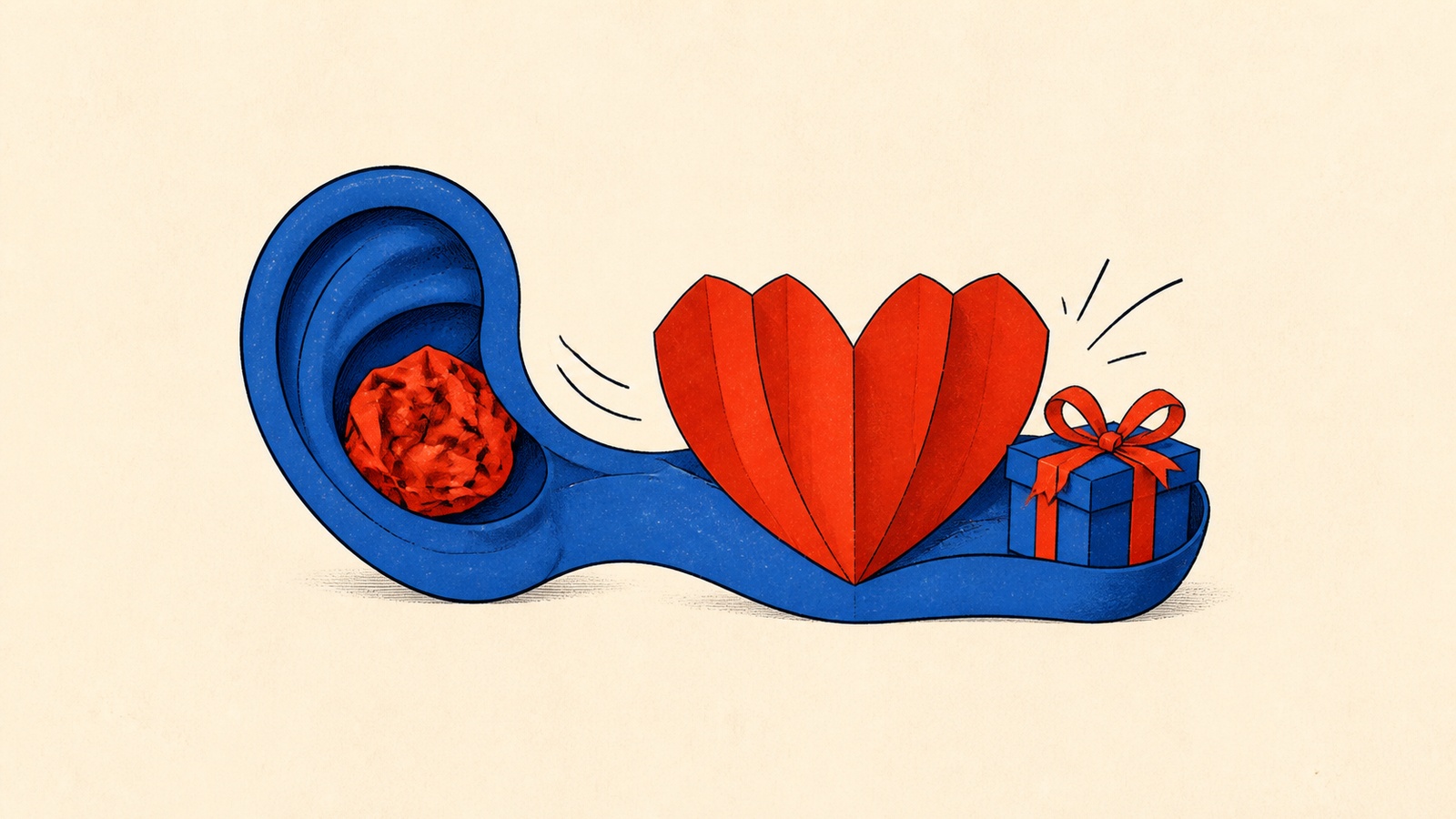
Most advice about angry customers boils down to "stay calm and apologize," which is true and also useless the moment someone is actually typing at you in all caps. What you need in that moment is a sequence, not a mood.
The bundle's checklist, Managing Difficult Customer Situations, gives one: the HEART method. Hear, Empathize, Apologize, Resolve, Thank. It's not a slogan: each step has a specific move attached, and skipping one is usually why an apology doesn't land.
The HEART method, step by step
Hear. Stop and give full attention before drafting a response. Let the customer finish their complaint without interrupting or redirecting: the checklist notes that simply being heard reduces anger on its own, before anything gets fixed. Then repeat the concern back in your own words, which confirms you understood it and signals you were actually listening rather than skimming for keywords.
Empathize. Acknowledge the feeling as legitimate, even if you don't agree with the customer's read on what happened. The checklist's suggested phrasing is direct: "I can see why that would be frustrating" or "that's not the experience we want any customer to have." The instruction here is specific: stay with the emotion before jumping to a fix, and don't explain why the problem happened. An explanation this early reads as a defense, not an answer.
Apologize. Keep it simple and unqualified. "I'm sorry this happened" does more work than a paragraph of context, and the checklist flags one habit to cut entirely: never follow an apology with "but." The word cancels out everything before it in the customer's mind, no matter how reasonable the explanation that follows.
The checklist is equally specific about whose fault it was. It asks you to take responsibility for the customer's experience even when the underlying problem wasn't entirely your doing: a shipping carrier's delay, a third-party plugin's bug. The distinction matters: owning the experience isn't the same as claiming blame you don't deserve, but a customer on the other end of a complaint rarely cares about the difference, and a business that insists on it in the moment usually makes things worse.
Resolve. Go past the minimum fix. The checklist frames this as a test: "what would make this customer tell their friends about how well we handled this?" If a refund is the ask, consider a refund plus something extra. If an order was late, replace it with something added on top. The point isn't generosity for its own sake: it's that the resolution moment is what people actually remember and repeat.
Thank. Close by thanking the customer for raising the issue at all, framing the complaint as feedback rather than a burden. Then follow up a few days later to confirm the fix held. This last step is the one most businesses skip, and it's the one that turns a resolved complaint into an actual relationship rather than a closed ticket.
The book behind the checklist frames the whole sequence around a specific finding: people don't remember the facts of an interaction, they remember how it made them feel. It calls this the peak-end rule: customers judge an entire experience by its most intense moment and its final moment, not by everything in between. A complaint handled badly at the start but resolved generously at the end can still be remembered as a good experience overall, because the ending is what sticks. That's the actual argument for spending real effort on step five instead of stopping at step four once the problem is technically fixed.
Where people go wrong
The single biggest mistake is rushing to the fix before the customer feels heard: jumping straight to "here's what I'll do" skips the two steps that make a solution land as caring rather than transactional. A second is apologizing with a "but" attached, which the checklist singles out because it's so common and so quietly corrosive. A third is treating the whole exchange as damage control instead of what it actually is: the same trust-building work covered across the Sales & Closing Pack, just applied after the sale instead of before it.
Inside Creating The Perfect Customer Experience
Going deeper
- AudioThe Experience Advantage
- BookCreating the Perfect Customer Experience
- ChecklistManaging Difficult Customer Situations
- ChecklistThe Five Pillars of Unforgettable Customer Experiences
- GuideThe HEART Method to Win Customer Loyalty
- Listicle21 Customer Touchpoints That Build Six-Figure Digital Businesses
- Listicle7 Profit Leaks That Push Customers Toward Refunds
- Mini-CourseMaster Customer Service in 7 Days
- Prompt PackCustomer Experience Transformation
Creating The Perfect Customer Experience is one of 14 bundles in The Sales & Closing Pack, or take the whole pack for $29.
Related reading
Selling for people who never wanted to be in sales: the complete guide
How selling actually works for freelancers and consultants: nerve, offer, proof, the conversation, pipeline and retention, in dependency order.
Read moreHow to tell a real high-ticket affiliate program from a trap
A six-factor scoring method for evaluating high-ticket affiliate programs before you build months of content around one.
Read moreMaking an offer feel worth its price
Why value-stacking and honest urgency convert better than a lower number, with a real before-and-after rewrite of a weak deadline.
Read more