
Confidence that shows before you say a word
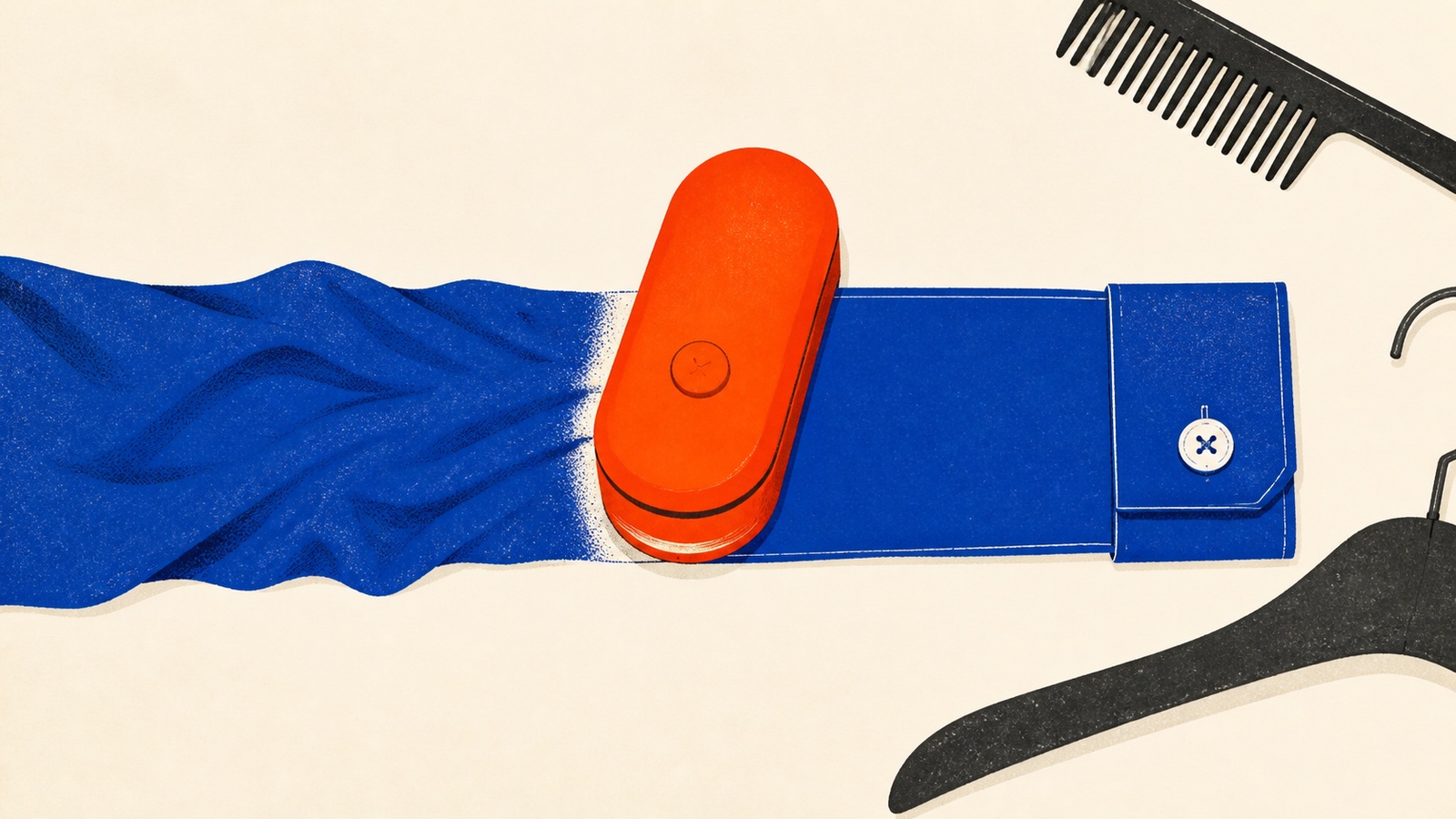
You get judged before you get a chance to talk. Not fair, but true: people form an impression of your competence within the first few seconds of seeing you, long before you've said anything worth judging. Most advice about this either shames you into thinking you're being shallow for caring, or oversells it into a total-life makeover you'll abandon by February.
Neither is useful. What actually helps is knowing which few things about how you show up are worth doing on purpose, and having a plan for the mornings when you don't have time to do any of it well.
The gap usually isn't information. Most people already know that a wrinkled shirt or a rushed morning reads badly. The gap is a system for the days when the alarm didn't go off on time and there's no window for a full routine, which is most days for most people. A checklist that only works when you have twenty spare minutes isn't a real plan.
The five-minute version, for the days you don't have five minutes
The book behind this bundle, Confidence That Shows Before You Speak, is built around a distinction worth keeping: presentation isn't vanity, it's information. Wrinkled clothes and unkempt grooming tell people you weren't paying attention to something you controlled. That's the read, whether or not it's fair.
Its companion checklist, Looking Put Together on Rushed Days, is the most useful thing in the kit precisely because it assumes you're rushed. It breaks into six moves. Face: splash water, apply moisturizer with SPF, spot-conceal anything visible: no full routine required. Hair: wet your hands, smooth flyaways, add a small amount of product, or pull it into a quick updo if it isn't cooperating. Quick grooming: check your nails, brush your teeth, glance in the mirror for anything in your teeth or nose, apply deodorant. Clothing: retrieve the outfit you picked the night before, check it for stains or wrinkles, confirm it fits the room you're walking into. Final polish: one simple accessory, clean shoes, and (the item most lists skip) standing up straight, since posture changes how everything else reads. Backup options: a spare shirt or blazer at work, a travel-sized grooming kit, and a personal thirty-second ritual (breathing, a specific thought, a posture reset) for walking into something that matters.
None of this requires new clothes or a skincare budget. It requires doing the same six things in the same order until you don't have to think about them, which is the book's actual argument underneath the appearance talk: consistency is what reads as put-together, not expense.
The psychological case for bothering at all is more modest than the book's own framing suggests. It leans on the finding that people form snap judgments of competence from appearance within about a hundred milliseconds, a specific number worth some skepticism as a precise figure, but the general pattern holds up across separate research on what's sometimes called the beauty premium: people who present themselves as put-together get read as more organized and capable, independent of whether that's actually true. The honest version of the claim isn't that grooming changes your abilities. It's that grooming changes how fast people believe you have them.
Where people go wrong
The first mistake is treating this as all-or-nothing: either you're not "the kind of person" who cares about appearance, or you overcorrect into buying things you don't need. The six-item checklist above works precisely because it costs almost nothing and takes minutes, not because it requires a wardrobe overhaul.
The second is doing a single dramatic push (a new haircut, a shopping trip, a week of discipline) instead of building a repeatable morning sequence. A one-time change fades within weeks because nothing about your actual routine changed. The book's own advice is to add one habit at a time and let it become automatic before adding the next, which is slower and much more likely to survive a bad week.
The third is chasing someone else's style instead of a consistent version of your own. Trying to look like a magazine spread reads as effortful in the wrong way; looking reliably like a slightly sharper version of yourself reads as confident.
A fourth, quieter mistake is skipping the backup options entirely (no spare shirt at work, no thirty-second ritual before something that matters) on the theory that the rushed-morning checklist covers everything. It doesn't. The checklist handles a bad morning; the backup options handle the bad morning that collides with a client meeting or an unexpected interview, which is when the gap actually costs you something. If you want the fuller system (how appearance connects to posture, energy, and the rest of how you show up professionally), that's the territory the Confidence & Career guide covers.
Inside Confidence That Shows Before You Speak
Going deeper
- AudioThe Appearance Advantage
- BookConfidence That Shows Before You Speak
- ChecklistLooking Put Together on Rushed Days
- GuideThe Professional Wardrobe Builder
- Listicle7 Upgrades That Transform How Others See You
- Mini-CourseMaster the Art of First Impressions
Confidence That Shows Before You Speak is one of 10 bundles in The Confidence & Career Pack, or take the whole pack for $29.
Related reading
Career confidence for people who hate self-help
A working map of career confidence (attention, self-coaching, skill choice, presence, and spotting manipulation) and the order to fix them in.
Read more
Manifestation, minus the mysticism, is just goal clarity
The useful half of a manifestation book: a method for telling a real want from a borrowed one, and turning it into a first step you can take today.
Read more
Picking the right skill to spend a month learning
A three-part filter for choosing which skill to learn next, illustrated with two professionals who picked differently and got different results.
Read more