
Home deal negotiation: decisions, not vibes
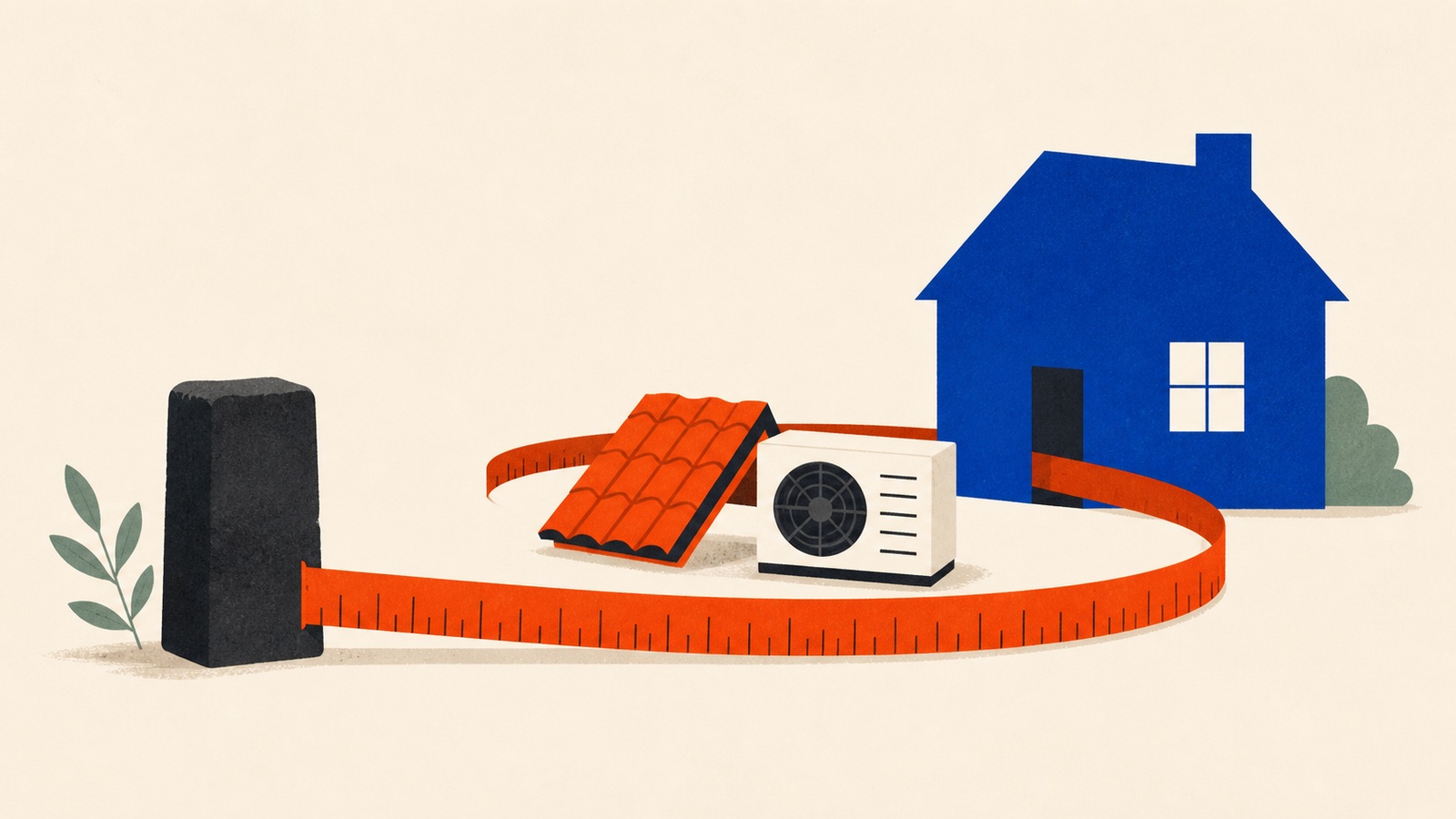
Most people research a vacuum cleaner for longer than they prepare for the largest financial transaction of their life. They read reviews, compare models, then walk into a house negotiation with a feeling about price rather than a number.
Feelings are a bad foundation for a six-figure decision because they move. A feeling about what a house is worth shifts with how much you like the kitchen backsplash or how afraid you are that someone else will buy it first. A number, once it is calculated honestly, does not move just because you are standing in a nicer kitchen.
Home Deal Negotiation opens with what it calls the Fear Tax: the premium buyers pay because they are afraid to offer less than asking, and the quiet loss sellers absorb because they dread the conflict of countering a low bid. A 1 or 2 percent difference on a six-figure purchase sounds like a rounding error, right up until you notice it compounds through thirty years of mortgage interest into tens of thousands of dollars, money quietly handed to a bank because a ten-minute conversation about price felt too uncomfortable to have.
The book's answer to both problems is the same discipline, done before either side ever speaks a number out loud.
Calculating your walk-away point
The book borrows a term from classic negotiation theory (BATNA, your best alternative to a negotiated agreement) and translates it into a plain "Hard Stop": the exact number where the deal stops making financial sense, full stop, no exceptions.
The worked example is a couple the book calls the Millers, shopping for a $550,000 house with lender approval up to $600,000. Instead of treating $600,000 as their ceiling, they worked backward from what they could actually afford: a $3,400 monthly comfort level, not the bank's maximum. At $600,000, their payment would have swelled to nearly $4,000. Even the $550,000 list price pushed them to $3,650.
Then they subtracted what the house itself would cost them beyond the mortgage: a roof needing replacement within two years at an estimated $12,000, an aging HVAC system at $8,000. Working the monthly equivalent of those costs back into their comfort threshold, their real Hard Stop came out to $535,000, not $550,000 and certainly not $600,000.
Without that math, the Millers might have offered $550,000 and felt like winners for coming in under the bank's limit. They would actually have overpaid by $15,000 against their own stated comfort level. The book's point is that "what the bank approved" and "what you can actually afford" are two different numbers, and only one of them should set your offer.
The second half of the same discipline is how you open. The book's research citation here is the anchoring effect from Kahneman and Tversky's work on judgment under uncertainty: the first number on the table pulls the final price toward it. A precise figure like $302,450 signals a calculation behind it; a round number like $300,000 reads as a guess and invites a bigger counter, because there is nothing specific to argue against.
Where people go wrong
The most expensive mistake is what the book calls the Mental Stretch: the moment mid-negotiation when "it's only another $5,000" starts sounding reasonable. That sentence is the sound of a Hard Stop breaking in real time, and it only happens to people who never calculated one to begin with.
A second failure mode is negotiating like it's a fight. The book contrasts the Table Pounder, who wins a price cut by insulting the seller's taste and making lowball offers to show dominance, with the Calm Architect, who asks why the seller is actually moving and structures an offer around that answer. The Table Pounder's seller stops cooperating the moment a paperwork problem shows up during closing (which real estate deals always have) and refuses to extend a deadline or fix a furnace out of simple resentment. The Calm Architect's seller, treated as a counterpart with real constraints rather than an opponent to defeat, tends to stay reasonable when something inevitably goes sideways later in the process. For the buying side of this same math, the full Home & Relationships guide covers where negotiation habits carry over into other high-stakes conversations.
A third is skipping due diligence on the other side's constraints entirely. A seller who mentions they've already bought their next house and are carrying two mortgages has just told you, without meaning to, exactly how much financial pressure is working in your favor, and that single detail is worth more than any clever phrasing you could bring to the table instead.
Inside Home Deal Negotiation Ebook
Going deeper
- AudioThe Smart Property Negotiator
- BookHome Deal Negotiation - Ebook
- ChecklistThe Home Inspection Negotiation
- GuideWin the First Move in Any Property Deal
- Listicle13 Psychological Weapons Agents Use in Every Negotiation
- Mini-CourseBecoming a Confident Home Negotiator
- Prompt PackReal Estate Negotiation Assistant
Home Deal Negotiation Ebook is one of 6 bundles in The Home & Relationships Pack, or take the whole pack for $29.
Related reading
Home and relationships: the complete guide
How to buy a home, negotiate the deal, run the household afterwards, and handle the relationships inside it, plus the six kits that go deeper.
Read more
The Modern Estate Manager: a clear-headed guide
A 90-day plan for taking over household operations without breaking anything trust depends on, built around observation before you change a thing.
Read more
What "The Connection Code" covers before you sign anything
Why a calm, neutral question can land as an accusation to a teenager, and the specific shift in role that gets conversation back instead of silence.
Read more