
The one sentence your content is missing
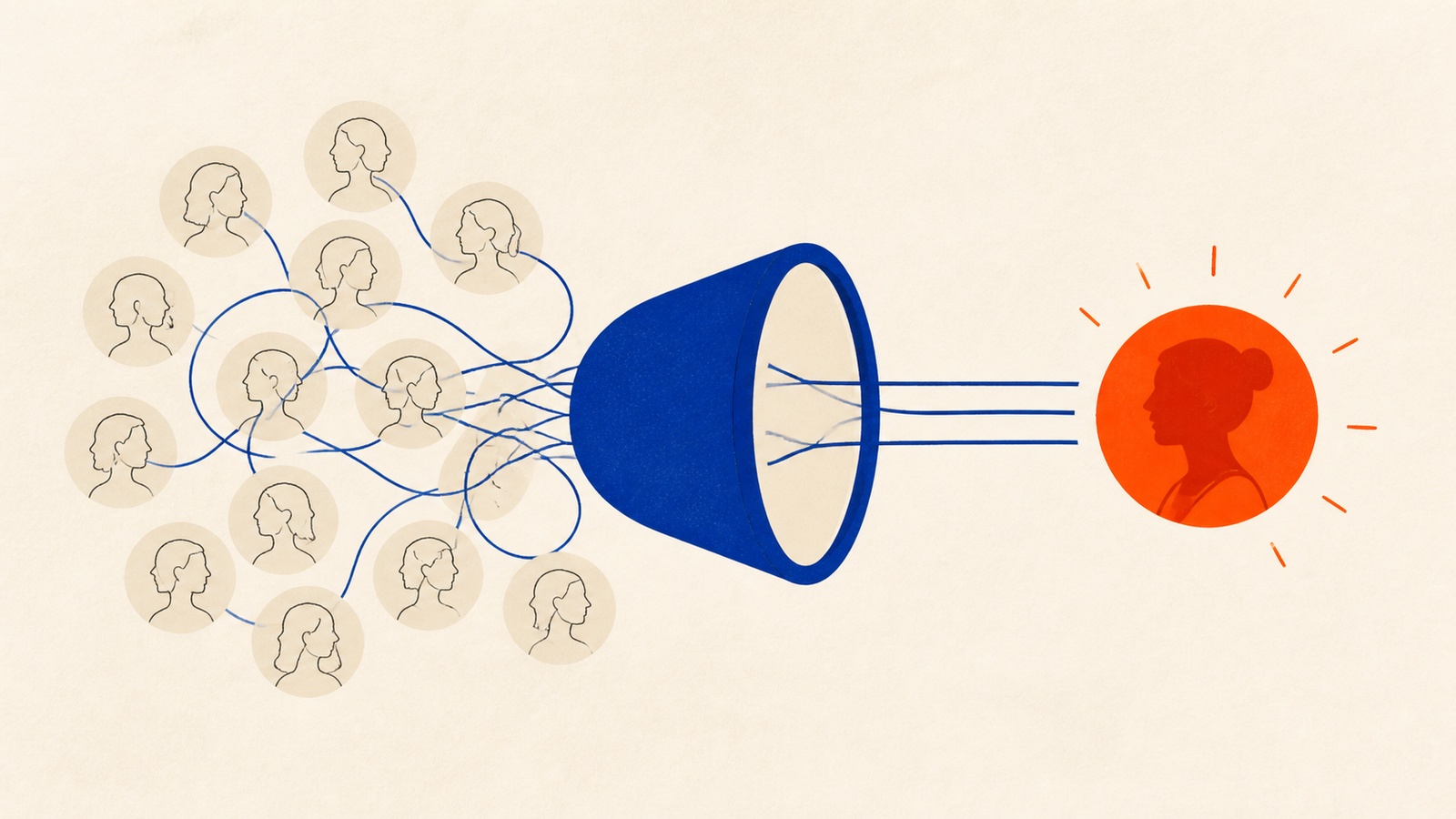
The problem with explaining what your content is for
Someone asks what your content is about while you're both waiting for coffee. You start explaining, lose the thread halfway through, and by the time you land somewhere close to an answer, they've moved on to something else. If you can't explain what your content is for in the time it takes to order a coffee, most of your audience can't either, and won't stick around to find out from your feed instead.
From Zero to Content Hero treats this as the actual bottleneck for creators who feel stuck, not a lack of ideas or a bad platform choice. Vague content isn't a volume problem. It's a message problem.
The book opens with a creator stuck at a low subscriber count for two years despite solid production skills, until he narrowed "fitness tips for everyone" down to "posture correction workouts for desk workers" and grew sixfold in six months. Nothing about his skill changed. What changed was that strangers could now tell, instantly, whether his content was for them.
The formula and where it comes from
The book calls it the magnetic message formula: "I help X achieve Y so they can Z," where X is a specific audience, Y is the tangible result you deliver, and Z is the emotional payoff behind that result. It sounds almost too simple to be a framework, but the before-and-after examples show what the simplicity buys you.
Weak: "I talk about fitness for busy people." Magnetic: "I help busy professionals master 20-minute workouts so they can feel energized without sacrificing family time." Weak: "I teach photography basics." Magnetic: "I help smartphone owners capture professional-quality images so they can preserve meaningful moments without expensive gear." The pattern in every rewrite is the same: the weak version describes what the creator does, the magnetic version describes what the audience gets.
The formula only works once you know what belongs in X, Y, and Z, which is where the book's EVP triangle comes in: the overlap of expertise, values, and personality. It's built from five questions: what do friends always ask you for help with, what problems have you personally solved, what topic could you talk about for hours without getting tired, what will you never compromise on, and what's the trait people remember about you. One example from the book: a data analyst planning "Excel tutorials" ran through these questions and realized her actual strength was translating numbers into stories non-technical people could follow, which became "I help busy professionals translate confusing data into clear decisions," a message an Excel-tips channel never would have produced.
Once the sentence exists, the book's test for it is blunt: can someone repeat it back after hearing it once. If not, it's still too complicated, however accurate it is.
Where people go wrong
The most common mistake is writing the message from the creator's side (what you cover, what you post about) instead of the audience's side, what they walk away with. That's the entire weak-versus-magnetic distinction, and it's easy to miss because the weak version usually sounds more professional.
The second is treating the message as a one-time exercise instead of something to test. The book describes a creator who ran two versions of his message and found one generated 18 percent more sign-ups than the other; the difference was entirely in which emotional payoff he led with.
The third is confusing audience precision with audience size, avoiding a specific message because it feels like it excludes people. A message written for everyone reaches no one in particular, and the sharper positioning work behind this (building the actual audience profile the message serves) gets fuller treatment in the Content & Creator guide.
A fourth mistake shows up after the message is written and working: leaving it in a notes app instead of putting it everywhere a stranger might first encounter the brand. A magnetic message that only lives in your head does none of the work of the same sentence sitting in a bio, a video intro, and an email signature, where it can actually filter who sticks around before they've watched a single full piece of content.
Inside From Zero To Content Hero
Going deeper
- AudioThe Creator Growth Loop
- BookFrom Zero to Content Hero
- ChecklistCraft Your One-Sentence Hook
- ChecklistPublish Smarter on the Right Platform
- GuideBuild Your Content Machine
- GuideThe Magnetic Message Formula
- Mini-CourseThe 8-Day Content Confidence Challenge
- Prompt PackVisibility-First Content
From Zero To Content Hero is one of 13 bundles in The Content & Creator Pack, or take the whole pack for $29.
Related reading
Content marketing for a team of one: the complete guide
How one person builds a content practice that lasts: message, production, distribution, search, proof and revenue, in the order they depend on each other.
Read more
The prompt problem: why "share your experience" gets ignored
A vague call for user-generated content gets a handful of replies. Here's the five-part prompt structure that gets customers to actually post.
Read moreThe three-part story structure that sells without a pitch
The harder content tries to sell, the less it converts. Here's the three-part story structure the reader's guard doesn't go up against.
Read more