
The operator-to-owner audit: how to tell you're the bottleneck
Your phone buzzes with a client question you've answered a hundred times before. A project stalls because you're the only one who can approve the final draft. You took on more clients this year than last, and somehow made less money per hour doing it. None of this feels like the agency you set out to build.
Most advice for this problem is either "hire more people" or "raise your prices," and both can make things worse if the real issue hasn't been named yet. The real issue, more often than not, is that you're running your business instead of owning it, and those are different jobs that happen to share an office.
The audit that tells you which one you're doing
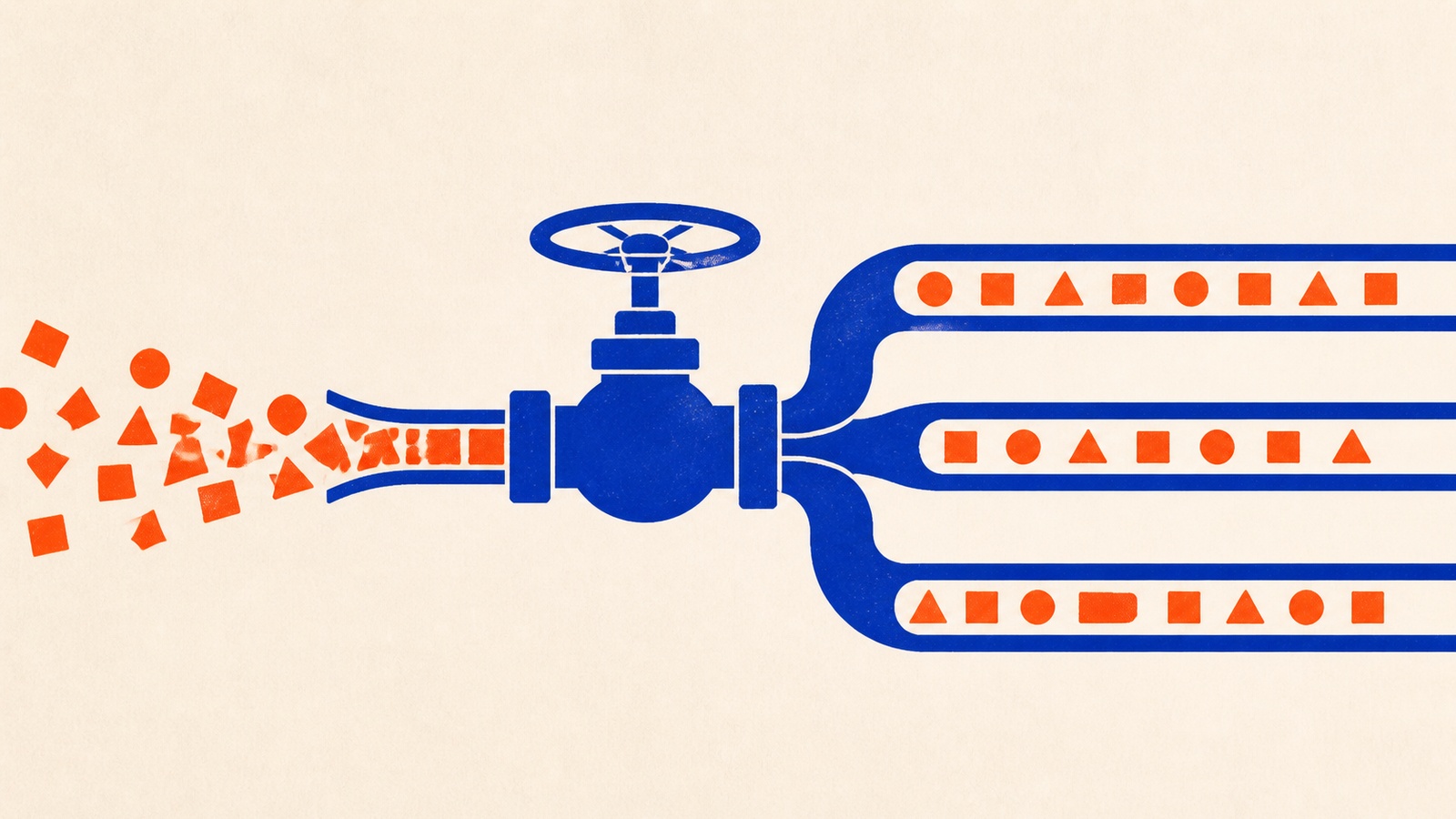
Agency Growth Blueprint opens with what it calls the operator vs. owner trap, and it's blunter than most business books get about the mechanism. Working in your business means writing the proposals, reviewing the deliverables, and taking the calls. Working on it means building the systems, developing the team, and making decisions about what the agency does next. The trap is that the first kind of work feels productive every single day, while the second kind only pays off weeks later, so operators keep choosing the thing that feels urgent.
The book's companion checklist, The Operator-to-Owner Audit, turns this into something you can actually score yourself against. A condensed version of it:
- Client-specific requests. Review your last 20 client interactions. If more than 40% asked for you by name instead of trusting your team, you've positioned yourself as the product instead of your systems.
- Vacation independence. Try to take a full week off without checking email. If the business can't survive that, it isn't a business yet. It's a very demanding job with your name on the door.
- Approval bottleneck. List the major decisions made on client work last month. If you personally approved more than half of them, you're the ceiling on how fast the agency can grow.
- Redo rate. How often do you personally redo work a team member already finished? Above 20% means your quality standards live in your head instead of in a documented process.
- Documented procedures. Count your standard operating procedures for onboarding, delivery, and quality control. Fewer than ten means you're running on memory, not on a system anyone else could follow.
The book's own rule: three or more warning signs in a section means you're the bottleneck there. It's a useful threshold because it resists the instinct to explain away any single symptom.
The book backs this with a specific example. Morgan ran a content agency and personally wrote every client's strategy document, which capped her at roughly eight clients: there are only so many hours in a week, no matter how good she was. Her fix wasn't working faster. She built templates and checklists that let her team produce strategy work to her standard without her writing a word of it. Within six months the agency was serving 25 clients with the same headcount, and revenue tripled, not because Morgan got better at strategy, but because she stopped being the only person allowed to do it.
Where people go wrong
The most common mistake is treating "irreplaceable" as a compliment. The book calls this the expertise trap: the skills that made you good enough to start the agency become the ceiling that stops it growing, because every important decision still has to pass through you. Letting go of that isn't a talent downgrade. It's a different job.
A second mistake is trying to fix everything simultaneously. Mindset, positioning, systems, team, and revenue are meant to be tackled in that order, because each one depends on the last: a documented process is worthless if you haven't first decided which clients and services it's for. Owners who jump straight to hiring before fixing positioning usually just add payroll to an already-unfocused business.
The third is backsliding during a crisis. When a deadline is tight or a team member quits, the pull to jump back into doing the work yourself is strong, and every time you give in, the old pattern gets a little harder to break next time. This is the same discipline problem that shows up across the Business Foundations guide: most of the stages in that guide fail from someone quietly reverting to the easier habit, not from a single bad decision.
Inside Agency Growth Blueprint
Going deeper
- AudioAgency Scaling Systems
- BookAgency Growth Blueprint
- ChecklistThe Operator-to-Owner Audit
- GuideThe 90-Day Agency Transformation
- Listicle7 Mistakes That Keep Agencies Stuck in Chaos and Burnout
- Mini-CourseFrom Agency Operator to Owner
- Prompt PackAgency Transformation Assistant
- ToolstackAgency Operations & Scaling
Agency Growth Blueprint is one of 16 bundles in The Business Foundations Pack, or take the whole pack for $29.
Related reading

Starting a business, in the order the work actually happens
The order small-business work really happens: testing the idea, building the smallest version, the website, the numbers, and stepping out of the middle.
Read more
Validating a business idea before you build anything
Three ways to test whether people want what you're planning to build (A/B tests, pilot programs, and smoke tests) with a worked example of each.
Read moreValidating a microSaaS idea before you write any code
A validation ladder, landing page, ads, survey, manual MVP, for testing a microSaaS idea before you build the software.
Read more